Custom Lanyard With Metal Clip: Grade, Plating and Weight
A custom lanyard with metal clip is chosen for how it feels, and then judged by how it ages. Metal reads as permanent where plastic reads as disposable, which is exactly what a corporate programme wants — but the same metal adds weight to the end of the strap, invites corrosion against skin, and concentrates load on a fold that was designed for a plastic hook. The clip is a small part doing three jobs at once.
This guide covers the metal clip types that suit a lanyard, the alloys and platings behind them, the weight and balance consequences that nobody puts in a drawing, and the specification lines that keep a premium-looking clip from becoming a corroded one.
Five Clips and What Each One Costs You
The differences between metal clips are not cosmetic. Each one loads the strap differently and each one fails in its own way.
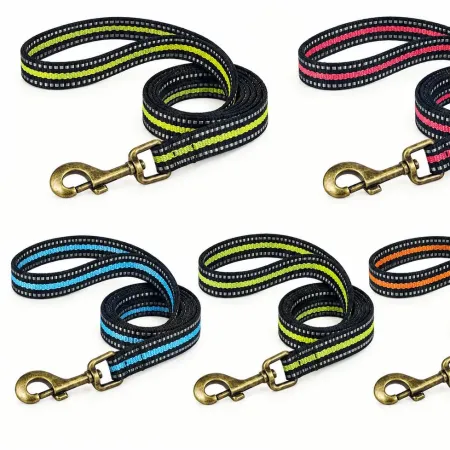
- Swivel snap hook — a spring gate on a rotating base. The swivel stops the strap twisting, which is why it is the default on anything worn against a chest all day.
- Lobster clasp — a narrower gate with a longer body. Elegant, and the one most likely to be squeezed open by a heavy holder swinging against it.
- Trigger clip — a wide gate and a strong spring. Heavier and the most secure; used where the lanyard also carries keys or a small tool.
- Bulldog clip — jaws that grip the material rather than a ring. Suits a badge holder without a slot, and marks whatever it grips.
- Bolt snap or carabiner — a large gate for belt loops and bag D-rings. The heaviest of the five, and the one that turns a lanyard into a tool carrier.
The table sets the five against the practical questions a buyer asks after the sample arrives: how heavy, how it holds, and what goes wrong first.
| Clip | Added weight | Grip | First failure |
|---|---|---|---|
| Swivel snap | Moderate | Firm, and free to rotate | The swivel rivet loosens and the clip hangs at an angle |
| Lobster | Light | Moderate | The gate is levered open by a swinging holder |
| Trigger | Heavy | Strong | Spring fatigue after heavy daily use |
| Bulldog | Moderate | Depends on the material gripped | Jaws mark the holder and lose their bite |
Custom Lanyard With Metal Clip: Alloy and Plating
Two clips that look identical on a sample card can be made from different alloys with different platings, and the difference appears in a humid summer rather than in the showroom.
- Zinc alloy die-cast — the common base for plated clips. Cheap to mould into shapes and adequate for badge work, but a thin plating wears through at the gate where fingers rub.
- Brass — denser, takes a plating well and resists deformation at the gate. Heavier per piece, and the right choice where the clip is handled thousands of times.
- Stainless steel — no plating to wear off at all. The best corrosion behaviour and the hardest to finish in colours other than its own.
- Plating and skin contact — nickel is bright and hard-wearing, and some markets limit nickel release on items in prolonged contact with skin. Where the lanyard is worn all day, a nickel-free or lacquered finish removes the question entirely.
- Finish consistency — black nickel, antique brass and chrome all read differently against the same strap. Approve the finished assembly, not the clip alone, because the strap changes how the metal looks.
A metal clip needs a fold built for it
A plastic hook can be sewn into a simple fold, because plastic deforms and forgives. A metal clip has a hard eye and a sharp internal edge, and it will work at the fold every time the wearer moves. The fold needs a longer tail, a tighter stitch pattern and, where the clip is heavy, an eyelet through the webbing to take the load off the thread. Building the strap first and adding the clip afterwards is how a premium part ends up on an unsuitable strap.
Weight, Balance and the Swing
A metal clip is not simply a better-looking version of a plastic one. It changes how the lanyard behaves when the wearer walks, and that is the part that decides whether it feels premium or merely heavy.
The pendulum problem
A heavy clip at the bottom of a 900 mm strap swings with a longer arc than a light one, and every swing applies a small load to the fold. That is why a metal clip on a narrow strap can outlast its own stitching. A wider strap, a shorter length or a clip nearer the centre of mass all reduce the effect.
The balance point
A lanyard should hang with the badge at chest height and the closure at the back of the neck. Add 15 g at the clip end and the whole assembly shifts forward, so the strap creeps around the neck during the day. It is a small annoyance that gets reported as a design fault, and it is solved by a lighter clip or a slightly shorter strap.
The abrasion pair
Metal against woven cloth is a wear couple. The clip eye polishes the fold and the fold abrades the plating, and both happen faster than either would alone. A tucked edge, a denser sett at the fold and a smooth clip eye turn a two-year life into a much longer one.
Six Lines for a Metal Clip Order
The strap under the clip clears 2000N on a standard construction, so the clip and the fold are where the specification should concentrate.
- Clip type and gate width — the gate has to clear the ring or the holder slot it will pass through.
- Alloy and plating — named, with a note on skin contact if the lanyard is worn all day.
- Finished weight — of the clip, because it decides the strap width and the length.
- Fold construction — tail length, stitch pattern and whether an eyelet is used.
- Swivel or fixed — a swivel costs more and prevents twisting; a fixed eye is simpler and turns the twist into wear.
- Salt and chlorine exposure — declared, because a lanyard worn at a pool or a coastal site needs a different plating.
The right result is a clip and a strap that were designed against each other. Because the fold, the eyelet and the clip are fitted on the same bench here, the assembly can be adjusted rather than renegotiated; the custom lanyard range carries the formats, and pull and corrosion checks come from the in-house laboratory.
FAQ: Custom Lanyard With Metal Clip
Is a metal clip worth the cost?
Where the lanyard is kept and reused, yes: the clip outlasts several straps and the perceived quality is immediate. Where the lanyard is handed out once at an event and discarded, a good plastic hook does the same job for less and without the corrosion question.
Will the plating wear off?
At the gate, eventually, because that is where fingers and the moving part meet. A thicker plating, a brass base or a stainless body all delay it. Where the clip is handled constantly — a security desk, a site gate — stainless is the finish that stops being a maintenance item.
Does the clip need to be breakaway?
A metal clip cannot break away; the release has to be a separate closure in the strap. Where a snag risk exists, the breakaway goes into the band and the metal clip stays at the bottom, so the lanyard keeps its look and still releases under load.
What causes a green mark on the strap?
Copper or brass reacting with sweat and moisture, usually where the plating has worn through at the eye. It is a cosmetic failure rather than a structural one, and it is the first sign that the clip is past its best. A lacquered finish or a stainless body avoids it.
Can the clip be swapped for a different type later?
That depends on the fold. A clip that hangs from a ring can be changed; one sewn directly into a closed fold cannot. If the programme is likely to evolve, specifying a ring or an eyelet at the fold keeps the option open at very little extra cost.
A custom lanyard with metal clip is a two-part design problem: the clip decides how the product feels, and the fold decides how long it lasts. Name the alloy, size the fold for it, and check the whole assembly in the hand before approving the run.
Why Xinxiangrui for Custom Lanyard With Metal Clip
Clips, rings, eyelets and rivets are fitted on the same bench that cuts the strap, so a custom lanyard with metal clip gets a fold built for the clip rather than a clip added to a fold designed for plastic. Plating, gate width and finished weight are recorded per order. Share your custom lanyard with metal clip details with us and we will come back with a matched sample.