Large Capacity Cosmetic Bag: Volume, Load and Cartons
A large capacity cosmetic bag is sold on a number and judged on a seam. The number is the volume on the listing, which is measured at least three different ways in the trade; the seam is the one carrying the handle, which now has to hold everything that volume implies. Neither problem appears in a small pouch, which is why a design that works at 240 mm so often fails at 320.
This guide covers how capacity is measured and why the figures disagree, the three failures that appear only at the top of the size range, and the numbers worth agreeing before a carton is specified.
Three Ways Capacity Gets Measured
The word capacity is used for three different quantities, and the difference between them on a pouch of this size runs to a third of the total. A buyer comparing two listings may be comparing two different measurements rather than two products.
- Nominal volume from external dimensions — length times width times depth of the finished pouch. It is the easiest figure to quote and the most generous, because it treats the pouch as a perfect box.
- Usable volume from the internal cavity — the same calculation made inside the lining, with the seam allowances, gusset folds and any divider removed. This is the figure a user experiences.
- Measured fill volume — the actual quantity of a known material the pouch holds when closed. It is the only figure that cannot be argued with, and the only one that requires filling a sample.
- Carton volume, not pouch volume — the cubic measure that sets freight. A large pouch that will not fold occupies its full dimensional volume in a carton, which is a different and much larger number than the one on the listing.
The table shows how far apart the three figures sit on a typical pouch in this size class.
| Measure | How it is taken | Typical gap from the listing figure |
|---|---|---|
| Nominal external | Tape measure on a stuffed pouch | The reference figure, and the largest |
| Usable internal | Measured inside the lining, corners excluded | 18–25% below nominal |
| Measured fill | Weighed dry material poured in until it closes | A further 10–15% below usable internal |
| Packed carton | Carton dimensions times quantity per carton | Rises sharply if the pouch cannot fold |
Three Failures at the Top of the Size Range
A pouch does not fail because it is large. It fails because the parts were carried over from a smaller pattern without recalculating what the extra volume weighs.
The handle attachment tears the panel
A large pouch carries bottles, and bottles are dense. A handle box sized for a 1 kg load will hold a 4 kg load until the fabric around it gives way, and the fabric gives way at the needle holes rather than at the seam. The webbing itself is rarely the weak point: it is woven to 2000N+ break strength on the same looms used for load-bearing straps. What fails is the panel behind the box, which needs a reinforcement patch or a wider box with more stitch lines as the pouch grows.
The base bows and the pouch will not stand
Width is the dimension that grows fastest when capacity is increased, and a wide base with a single central seam bows under load. The pouch then leans, the zip line curves and the whole product reads as soft when it was meant to read as structured. A base board, a double-row base seam or a flat-felled base all fix it, and each adds a small amount of weight to a product whose appeal includes being light.
The carton was calculated from the pouch
A large pouch often cannot be folded flat without creasing the lining, so it ships at close to its full dimensional volume with air inside it. Freight is charged on cubic measure once a shipment is light for its size, which a cosmetic pouch always is. The result is that a pouch described as 3 litres occupies 6 litres of carton, and the difference is discovered when the forwarder quotes rather than when the pouch is designed.
Fill it with sand and weigh it
Dry sand is a convenient stand-in for a full cosmetic load and it settles the two arguments that matter: how much the pouch really holds and how much it really weighs. Fill to the point where the zip closes without strain, weigh the contents, then lift the pouch by its handle for a minute. If the handle box has started to distort the panel at that weight, the attachment needs strengthening before the pattern is graded rather than after the first complaint.
Where the Weight Sits Inside
Volume is what the listing says; weight distribution is what the user feels. In a pouch large enough to hold bottles, most of the mass settles into the base, and the handle sits at the top of a soft box whose walls can carry very little shear.
- The load hangs from two small areas — the two handle boxes carry everything, and the panel between them carries nothing, so the pouch folds into a V under a heavy load.
- A centred handle swings — one handle over the middle of a 320 mm pouch lets it rock as it is carried, which is uncomfortable in a way buyers describe as flimsy.
- Two handles balance it — a pair set roughly a third of the width apart stops the rocking and halves the load each box has to carry, at the cost of a second attachment to sew.
- A shoulder strap changes the design — a strap transfers load to a seam rather than to a panel, and a large pouch with a strap needs the side seam strengthened rather than the handle box.
None of this appears in a volume figure, and all of it appears the first time the pouch is carried full. Test it the way it will be used: fill, close, carry for a minute at walking pace, and watch whether the base stays flat or curls towards the handle.
What to Agree Before a Carton Is Specified
Five figures decide whether a large pouch ships sensibly. Each is a measurement, and each is cheaper to settle than to correct after a forwarder has quoted.
- Which capacity figure is being quoted — nominal, usable or measured. Write the method beside the number, because a listing that says 3 litres without a method is describing an intention.
- Loaded weight, not empty weight — the figure the handle has to carry, taken from the fill test rather than from a guess about what a customer might pack.
- Folded or flat-packed — whether the pouch is allowed to crease inside the carton. Flat packing costs cubic measure; folding costs a crease that a buyer will photograph.
- Quantity per carton and carton dimensions — both numbers, because the cubic measure that sets freight is their product and neither is useful alone.
- Retail or wholesale packing — a retail-ready pouch needs a header, a barcode area and a defined facing size, all of which change the carton rather than the pouch.
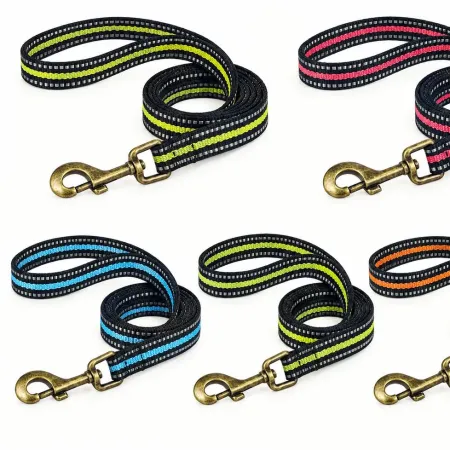
Large pouches are built inside the custom spec bag programme, and a finished reference is the large capacity clear toiletry bag. Handles and wrist loops come off the polyester webbing line at 2000N+ break strength, the OEM and ODM page sets out packing options, and the testing page lists the seam strength methods used on loaded bags.
FAQ: Large Capacity Cosmetic Bag
What counts as large for a cosmetic bag?
Above roughly 300 mm in the longest dimension, or over 3 litres usable. Past that point the pouch stops being a makeup bag and starts being a travel case, and the handle, base and carton all change with it.
Why is the stated capacity higher than what fits?
Because the usual figure is the external box volume, which ignores seam allowance, gusset folds and the fact that a pouch does not fill its own corners. Usable internal volume typically runs 18 to 25 percent below the nominal number.
Will a large pouch hold bottles safely?
It will hold them, and the question is what holds the pouch. At 4 kg the panel behind the handle box becomes the critical part, so a reinforcement patch or a wider box belongs in the pattern rather than in a later revision.
Does folding a large pouch damage it?
A coated or structured pouch creases along a fold and the crease can be permanent. If the carton has to be small, specify a soft construction with a coated lining rather than a stiff one, and decide which compromise is acceptable.
Should the base have a board?
If the pouch has to stand on a counter, yes, or use a double-row base seam with a flat-felled finish. A base board is the more certain answer and it adds a removable component that has to be specified as such.
A large capacity cosmetic bag is three problems that only appear together at the top of the size range: a volume figure nobody defined, a handle load nobody calculated and a carton nobody measured. Fill a sample with sand, weigh it, lift it by the handle and then measure the carton it needs. Four actions, one afternoon, and the difference between a pouch that scales and one that only photographs well.
Why Xinxiangrui for Large Capacity Cosmetic Bag
Cartons decide the shipping arithmetic of a large capacity cosmetic bag before the pouch does, and Xinxiangrui Webbing packs to retail or wholesale instruction with air, sea and express options quoted side by side and the customs paperwork raised in-house. A batch number on the carton links back to the roll, the dye lot and the test report, and handles are woven on site to 2000N+ break strength so the load figure is documented rather than assumed. Tell us your packed volume target and a matched construction comes back to you.