OEM High-End Luggage Case: Four Documents and a Sample
An OEM high-end luggage case is not a product someone buys from a catalogue and has a logo added to. It is a case built to a drawing the buyer owns, approved against a sample the buyer signed, and shipped in packaging the buyer specified. Between those three statements sit four documents, and almost every dispute in this category can be traced to one of them being missing, vague or out of date.
This guide sets out the four documents, which of them the buyer should own, where change control usually fails, and how a programme of forty revisions stays coherent instead of drifting into a case nobody designed.
OEM High-End Luggage Case: The Four Documents
A drawing alone does not make an OEM order, because a drawing describes geometry and not colour, hand or packing. The set that does the work has four parts, and each one closes a different kind of argument.
- The drawing — dimensions, radii, wall gauge, fitting positions and the trim list, with tolerances stated rather than implied.
- The approved sample — a physical object signed and dated, which is the only artefact that settles the question of hand and feel.
- The colour standard — a physical chip rather than a number, measured under a stated light source and held by both sides.
- The packing specification — carton grade, marking, protection, loading order and the retail presentation inside the box.
| Document | Who should own it | What it settles |
|---|---|---|
| Drawing | The buyer, with the mould | Whether a later part fits |
| Approved sample | Held by both, signed | Whether a batch feels right |
| Colour standard | The buyer, kept in a drawer | Whether a shade is a reject |
| Packing spec | The buyer's retail channel | Whether a shipment is accepted |
The approved sample is a contract that lives on a shelf
Two identical-looking samples, produced nine months apart, can differ by a shade, a stiffness and a millimetre of trim width, and neither side will be able to say which is correct unless one was signed and kept. A photograph does not do this job. A signed sample in a sealed bag, with the date and the revision number on the label, does — and it costs nothing except the discipline of doing it.
Three Decisions an OEM Buyer Has to Make
Who owns the mould
A shell mould is the largest single item in an OEM programme, and its ownership decides what happens at the end of the relationship. If the buyer pays for it, the buyer should hold the drawing, the tool record and the right to move it. If the factory pays, the buyer is renting access to a shape. Neither arrangement is wrong; drifting into one without deciding is, because the question only becomes urgent when a programme ends.
When the change window closes
Every OEM programme has a point after which a change costs more than it saves: after the mould is cut, after the trim is ordered, after the cartons are printed. Naming that point in advance turns a series of expensive late requests into a planned schedule. It also protects the factory's other customers, which is why good suppliers raise the subject before the buyer does.
What the label is allowed to say
An OEM case carries the buyer's brand, and every claim printed on it becomes the buyer's claim. Country of origin, material names and care instructions are the three that cause the most trouble, because they are often carried over from a previous supplier without checking. A short review of the label artwork against the actual construction is cheaper than any corrective shipment, and it is part of what an OEM brief should ask for.
Six Lines of an OEM Brief
- The drawing set and its revision number — so a quotation can be dated against a document rather than a conversation.
- Tooling ownership and location — stated in the brief, not left to the contract's small print.
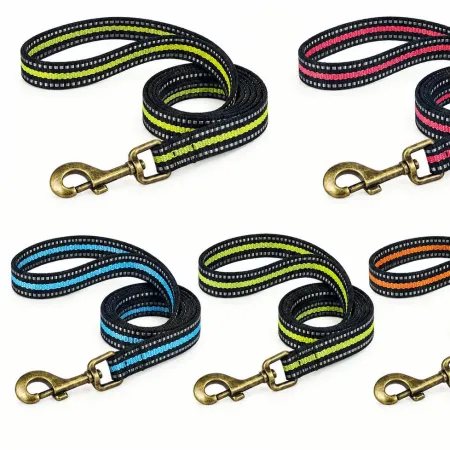
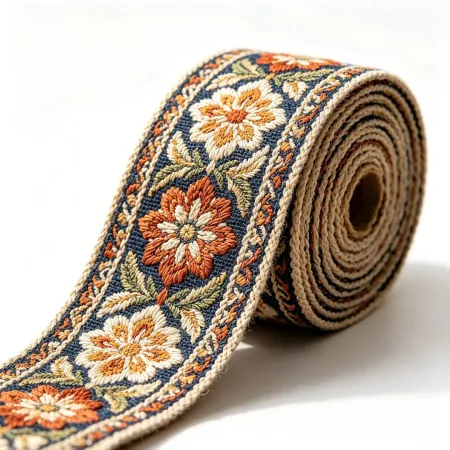
- The trim specification in full — weave, width, colour standard and anchor pattern for every strap, written out rather than referenced.
- Sampling rounds and approval criteria — how many rounds are expected and what a round has to demonstrate.
- Packing and labelling artwork — including the claims the label makes and the market they are legal in.
- Change procedure after approval — who may request a change, who approves it, and what happens to stock already made.
The third line is the one that gets compressed into a sentence and then argued about for a year. A strap is a weave at a width with a break figure, a dye class and an edge finish, and a brief that names only the width has left the rest to the factory's default. Writing the full line takes ten minutes and prevents the most common OEM complaint of all: that the second batch is not the first batch.
For a programme built on narrow fabric, the underlying construction matters as much as the trim: polyester webbing for the parts that must hold length, nylon webbing where a softer hand matters, and a test report for each that names the method as well as the result.
Where OEM Programmes Drift
The silent substitution
A yarn goes out of stock, a finishing line closes, a component is discontinued, and a substitute is used because it is close enough to ship. The case looks right and behaves slightly differently, and no one finds out until a customer compares it with last year's. A brief that lists the trim construction and the test figures behind it converts that substitution into a conversation, because the substitute has to clear the same numbers — including the 2000N break figure that a dense webbing carries and a lighter one does not.
The revision that lives in an inbox
If revisions are agreed in email and never merged into the drawing, the factory eventually builds from a document that no longer describes the product, and each successive batch drifts a little further. The discipline that prevents this is unglamorous: one drawing, one revision number, one date, and a rule that a change not in the drawing does not exist. Programmes that follow it can run for years across several suppliers; programmes that do not degrade within three orders.
The fifth document, which nobody counts, is the tooling record: which mould, which cavity, which date, which maintenance. It matters the day a second source is considered, because a buyer who can hand over a tool record can move production without redeveloping the product, and one who cannot starts again. Keeping that record costs a page per programme and buys the option to leave, which is exactly the option that keeps a relationship healthy.
FAQ: OEM High-End Luggage Case
What is the difference between OEM and ODM here?
OEM builds to the buyer's drawing and the buyer owns the design; ODM starts from a design the factory already has and adapts it. The second route is faster and the first gives the buyer a shape nobody else can copy.
Who should pay for the mould?
Whichever side wants to control what happens to it later. If the buyer pays, the buyer should hold the drawing and the right to move the tool; if the factory pays, the buyer is buying access to a shape rather than owning one.
How many sample rounds are normal?
Two or three for a case with a new shell, and one for a new trim on an existing shell. More rounds usually mean the brief was incomplete rather than that the factory is slow.
Can the trim be changed after approval?
Yes, and it is the cheapest change to make, because the trim does not require a new shell tool. It still has to go through the same approval, and the sample has to be re-signed so the reference stays current.
What belongs in the first conversation?
The market, the volume band, the shell type and who owns the design. Those four answers decide whether the programme is a new mould or a new trim, and they change every question that follows.
An OEM high-end luggage case is a relationship conducted through documents: a drawing with a revision number, a sample with a signature, a chip in a drawer and a packing spec agreed before the first carton. None of that is glamorous, and all of it is what makes a second order identical to the first instead of merely similar.
Why Xinxiangrui for OEM High-End Luggage Case
Change control is the real test of an OEM site, and it is easier when the trim, the dyeing and the hardware assembly sit behind one gate: an OEM high-end luggage case can have a strap position moved, a shade reset and a buckle swapped without the request crossing three suppliers. Every revision keeps its number, and the webbing that ships is woven here to clear 2000N. Send us the drawing set and the change history, and the next revision is quoted against the same tooling.