Polyester Webbing for Pet Harness: Six Markets, Six Edges
Polyester webbing for pet harness is the clearest case in the narrow fabric trade of one product carrying several identities. In one market a harness is working equipment for a dog that pulls; in another it is a fashion accessory bought in a seasonal colour; in a third it is a regulated product with documents attached. The band is often the same 25 mm construction in all three, and the edge, the fitting and the colour make them different goods.
This guide covers what each market adds, the three requirements that split the range, why polyester suits an animal that gets wet, six lines a harness brief should carry, and the two ways a harness band fails that a strap does not.
Polyester Webbing for Pet Harness: What Each Market Adds
Read the third column as a loom or finishing note, because that is what it becomes once the order is placed.
| Market identity | What it adds | What that does to the band |
|---|---|---|
| Working equipment | Load spread across the chest, metal fittings, a band that will not stretch | A denser weave and a thicker section where the ring sits |
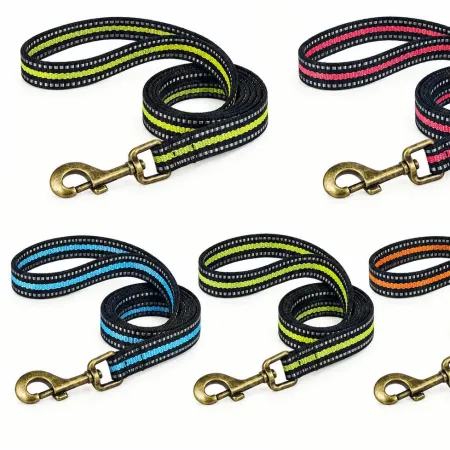
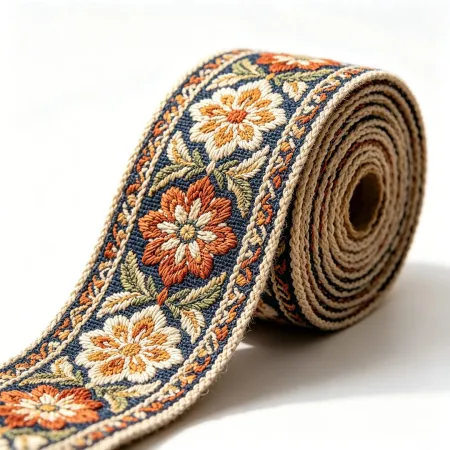
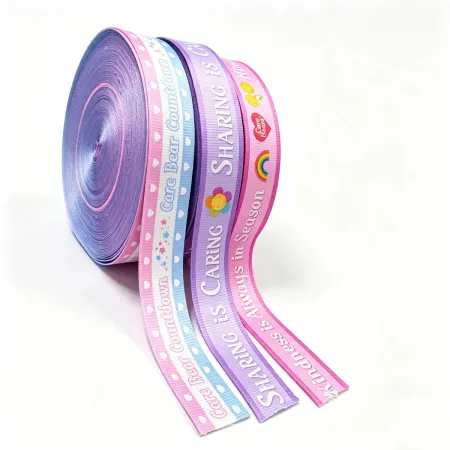
| Fashion accessory | Seasonal shades, printed patterns and a soft edge against short fur | A softer selvage, a printable face and tighter colour control |
| Regulated goods | Documents covering what touches the animal, and a batch that can be traced | A named chemistry, a recorded lot and a repeatable finish |
The three are not a hierarchy. A fashion harness that rubs a short-coated dog can be a worse product than a working one, and a regulated harness with a harsh edge has passed its paperwork and failed its animal. The order in which a buyer ranks them decides which of the three columns gets the attention, and that ranking should be written down rather than assumed.
Serving many markets means holding specifications apart
The risk in a broad export programme is not capability but confusion: one base construction gradually acquiring the requirements of three markets until it satisfies none of them well. Keeping the edge, the fitting and the colour as separate decisions on the order, even when the band comes off the same beam, is what allows one construction to serve several destinations.
Three Requirements That Split the Range
The edge, more than the width
A harness sits across a chest and under a belly, and the edge is in contact the entire time. A tucked selvage that is acceptable on a bag strap can be sharp enough to part fur on a short-coated dog, and the complaint arrives as a design fault rather than a finishing one. A softened or rounded edge costs a finishing step and removes the whole category of problem.
The fitting material follows the climate
Metal fittings read as serious equipment and become uncomfortable in a cold climate, where they conduct heat away from a hand and can stick to skin. Plastic fittings are lighter and kinder in the cold and read as less premium. The same harness is therefore specified two ways for two destinations, and the difference is not a cost decision but a use one.
The colour is functional in one market and seasonal in another
Working harnesses are bought in high-visibility shades because they need to be seen, and the fastness standard matters more than the exact hue. Fashion harnesses are bought against a seasonal palette where a small shift is a failure. Both are colour questions and they are answered by different tests, which is why the standard should be named rather than assumed.
There is one material advantage that matters more on a harness than on any other narrow fabric product. A dog that swims, walks in rain or lies in wet grass takes the harness with it, and polyester absorbs almost no water. It does not swell, it does not stay damp against the animal, and it does not develop the sour smell that a moisture-holding band acquires after a few wet walks. That is a small engineering fact with a large effect on how a product is judged.
Six Lines for a Harness Brief
- Which of the three identities it is — equipment, accessory or regulated goods, since the ranking changes every other line.
- The animal it fits — size and coat length, because short fur exposes an edge that long fur hides.
- The edge requirement — described by the property, softened or rounded, rather than by a word like comfortable.
- The fitting type and material — and the climate it will be handled in, which is part of the specification.
- The colour standard — fastness for a working product, reference match for a seasonal one.
- What touches the animal — the chemistry question, and the one that carries documents.
The second line is the one a design file usually omits and a complaint usually names. A harness approved on a long-haired model can be shipped to a market of short-haired dogs and returned for the same edge that was always there. Stating the coat, and approving on a dog that has one, is cheaper than any finishing change.
- Run the edge along a forearm — a hand is less sensitive than the place the band sits.
- Wet it and feel it again — a harness is used wet more often than dry.
- Pull the ring hard — the ring and the stitch carry more than the band.
- Check the buckle one-handed — that is how it will be used.
Harness constructions come off the same polyester webbing looms as the rest of the range here and share a building with the pet harness and hook and loop fastener lines, so a band and its closure can be matched rather than guessed. The 2000N anchor belongs to the 25 mm base; a harness is judged on its edge and its ring, and the band is the part that carries both.
One more point belongs to the fitting rather than the band. A harness concentrates load at a ring, and the ring is attached by webbing folded back on itself, so the fold is the part that decides how long the product lasts. A bar-tack across that fold, rather than a single line of stitching, spreads the load across the width and roughly doubles the number of cycles before the first sign of wear at that point. It is a two-second change on a machine that is already there.
Two Ways a Harness Band Fails
It wears at the ring, not in the middle
Every harness funnels its load through one or two points where a ring or a D sits, and the band around that point moves constantly. The abrasion is local and relentless, and it is where a harness first looks old. A thicker section, a doubled layer or a smoother ring all extend the life, and none of them is visible in a photograph.
It holds water where the layers meet
Where a band is folded and stitched into two layers, water can sit between them after a wet walk even when the fibre itself does not absorb. The result is a damp patch that stays damp, and over a season it becomes a smell and a stain. A construction that drains, through a looser fold or a spacing in the stitching, dries faster than a sealed one.
FAQ: Polyester Webbing for Pet Harness
What width is usual for a harness?
Typically 20 mm to 38 mm, chosen by the size of the animal and by how much load the chest has to spread.
Why does polyester suit a dog that swims?
It absorbs almost no water, so it does not stay damp against the animal or develop the smell a moisture-holding band picks up.
Is a softer edge weaker?
Not meaningfully at this width. Softening changes the selvedge rather than the body, and the load is carried across the face.
Metal or plastic fittings?
Metal for load and for a premium read, plastic for cold climates and lighter animals. It is a use decision, and it differs between destinations.
Can one construction serve every market?
The band can. The edge, the fitting and the colour should be decided per destination, which is what keeps one base from becoming a compromise.
Polyester webbing for pet harness is one construction and three products, and the split happens at the edge, the fitting and the colour. Name which of the three you are buying, and the band will be dressed for the market it is going to rather than for an average of all of them.
Why Xinxiangrui for Harness Webbing
One band, several identities: the difference between them is decided at the edge and at the fitting rather than in the weave, and this polyester webbing for pet harness leaves here in the same base construction dressed for whichever market it is bound for. Share your polyester webbing for pet harness details with us and we will come back with a matched sample.