Portable Cosmetic Bag: Weight, Closure and the Hang Point
A portable cosmetic bag is judged in the hand, not on the drawing, and the hand notices three things in order: how heavy it is when empty, whether it opens with one hand, and whether there is somewhere to hang it. None of the three appears on a dimension drawing, and all three are decided by choices made early and cheaply: the lining, the closure type and a single loop of webbing. A pouch that gets them right feels designed; one that misses them feels like a bag with a zip.
This guide covers the three figures that decide whether a pouch travels well, why empty weight is eaten by components rather than by cloth, where a hang point should sit if it is to be used at all, and the five lines that make a portable specification shippable.
Three Figures That Decide Whether a Portable Cosmetic Bag Travels
Portability is not a size. A small pouch with a heavy zip and a stiffened base travels worse than a larger one built light, and the difference is measurable in grams and in seconds.
- Empty weight — the number that decides whether the pouch is carried or left behind. Cloth is the smallest part of it on a small pouch; the zip, the lining, the binding and any stiffener usually weigh more together than the outer shell.
- One-hand closure — a zip that needs two hands is a zip that stays open in a hotel bathroom. Slider size, pull shape and the length of the opening decide this, and a longer opening is often worth more than a larger pouch.
- Hang point — a loop, a hook or a clip position. A pouch with a hang point can live on a rail, a towel bar or the back of a door; a pouch without one lives on a wet counter.
- Packed footprint — the shape it takes when full, since a pouch that bulges to 90 mm from a stated 60 mm will not fit the pocket it was designed for.
The table relates the four to the figures worth writing down, and to the component that usually decides each one.
| Figure | Working target | What decides it |
|---|---|---|
| Empty weight | Under 180 g for a handbag pouch | Zip gauge, lining weight and any board or padding |
| Opening length | Two-thirds of the longest side | Zip length and how the ends are finished |
| Slider pull | A loop or tab at least 20 mm long | The hardware chosen, not the design intent |
| Hang loop | 25 mm webbing, 60 mm clear internal | The webbing width and the seam that closes the loop |
| Packed depth | Stated depth plus 30% when full | Gusset construction and whether the base is flat |
Three Ways a Portable Pouch Stops Being Portable
Each of the three below adds convenience in the design review and removes it in the hand, which is why they survive to production so often.
The components weigh more than the cloth
On a pouch of 200 mm, the outer cloth is typically 60 to 90 grams. A metal-gauge zip, a 210D lining, a bound edge and a foam insert can add 120 grams between them, and the result is a pouch that weighs more than a paperback. The fix is unglamorous: a lighter gauge zip, a lighter lining, a rolled hem instead of a binding, and no padding unless the padding is doing a job. Ask for a component weight breakdown on the sample, weighed, rather than a total.
It takes two hands to open
A slider with a flat plate and no tab is difficult to grip with wet hands, and a short opening forces the user to hold the pouch against the body while reaching inside. Both are solved with hardware rather than with cloth: a pull tab of 20 mm or more, a slider with a positive grip, and an opening that runs two-thirds of the longest side. The test is simple and worth doing before approval: hold the pouch in one hand, open it, take something out and close it, without putting it down.
The hang loop is too small to hang
A loop of 30 mm clear will not pass over a towel rail or a hook in a hotel bathroom, which is where the pouch is actually used. Sixty millimetres clear is the smallest loop that works on a standard rail, and it needs to be webbing rather than a cord, because a cord cuts into the hand when the pouch is carried by it. A loop also has to be attached where the load can be carried: on the side seam rather than the middle of a panel, with the same box stitch used on a handle, in webbing woven to 2000N+ break strength.
Weigh the components, then weigh the pouch
Put the empty pouch on a kitchen scale and write the number on the sample label. Then weigh a second pouch with the lining removed, and the difference is the lining. Two weighings tell you where the grams went, and they turn a vague feeling that the pouch is heavy into a figure a supplier can act on. On a travel product the empty weight belongs on the specification next to the dimensions.
Five Lines for a Travel-Ready Specification
A portable pouch is bought by the gram and by the second, so the specification has to carry figures rather than intentions.
- Empty weight as a maximum — one figure on the drawing, checked on a scale at inspection. A weight range is better than nothing and a maximum is better than a range.
- Opening length and pull type — the length as a proportion of the side, and the pull as a minimum dimension, since both decide whether one hand is enough.
- Hang loop size and attachment — the clear internal dimension, the webbing width and the seam that holds it. A loop without a stated attachment point is a decorative detail.
- Packed depth versus stated depth — both figures, because the difference is what decides whether the pouch fits the pocket it was designed for.
- Packing method and carton count — flat or filled, how many per polybag, how many per carton, and whether a header card is needed for a hanging display.
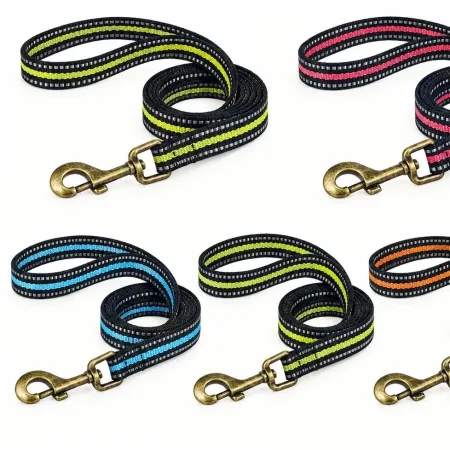
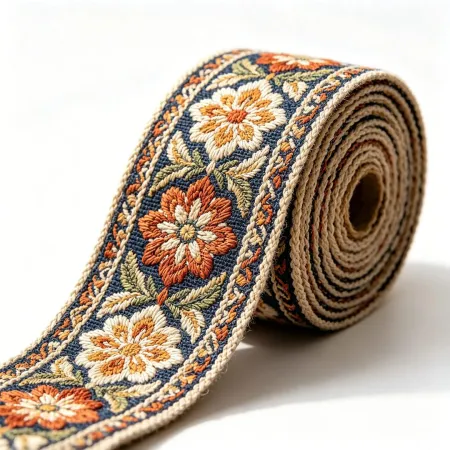
Portable pouches are built inside the custom spec bag programme, and the OEM and ODM page sets out packing, retail-ready presentation and the air, sea and express routes used for light shipments. Hang loops and wrist straps come off the 1 inch cotton webbing range woven to 2000N+ break strength, and the testing page lists the tensile and abrasion methods applied to them.
FAQ: Portable Cosmetic Bag Questions
What counts as light for a cosmetic pouch?
Under about 180 grams empty for a pouch of 200 mm. Below 120 grams the pouch usually has no lining or a very light one, and that is a different product with different cleaning behaviour.
Is a zip or a drawstring more portable?
A drawstring packs flatter and weighs less; a zip opens wider and keeps small items in. For a pouch that travels inside another bag, the drawstring wins on bulk. For one that sits on a counter, the zip wins on access.
Where should the hang loop be attached?
On a side seam or into a seam allowance rather than onto a free panel, so the load goes into a structural line. A loop sewn to the middle of a panel pulls the cloth rather than the seam and distorts the pouch when full.
Does a portable pouch need a flat base?
Only if it has to stand. A flat base adds a seam and a fold and makes the pouch stiffer in a bag, so a travel pouch is often better with a simple gusset that lets it lie flat when empty.
How should a portable pouch be packed for retail?
Flat, one per polybag, with a header card if the display is a hanging rail. Packing it filled makes a better photograph and a worse carton, so the choice belongs in the specification rather than at the packing table.
A portable cosmetic bag is designed by subtraction. Take grams out of the components rather than the cloth, lengthen the opening until one hand is enough, put the hang loop on a seam at 60 mm clear, and write the packed depth next to the stated depth. Four decisions made at the drawing stage, and a pouch that gets picked up instead of left in a drawer.
Why Xinxiangrui for a Portable Cosmetic Bag
A portable cosmetic bag is light, and light cargo is charged by volume, so Xinxiangrui Webbing quotes air, sea and express side by side and packs to retail or wholesale instruction with the customs paperwork raised in-house. Hang loops and wrist straps are woven on site to 2000N+ break strength, which makes the part that carries the bag when it is full a documented component rather than a bought-in trim. Batch numbers on the carton link back to the roll and the dye lot. Share your travel brief with us — the empty weight, the closure and where it hangs — and we come back with a matched sample.