Skin-Friendly Baby Drool Bibs Factory: Under One Roof
A skin-friendly baby drool bibs factory is usually described by what it can print on a bib, and the more useful question is what it can do before the print. A bib is a small sewn object made from three things a narrow fabric plant already owns: a woven base, a binding tape and a closure. The plant that weaves the tape and dyes the base has a shorter path to a good bib than one that buys all three and only sews.
This guide sets out what a bib actually requires from a factory, which step becomes the bottleneck once the order is placed, how fifteen years of narrow fabric work translates into a sewn product, the six lines a factory brief should carry, and the two coordination failures that appear when weaving and sewing sit in different buildings.
Skin-Friendly Baby Drool Bibs Factory: The Steps
Read the third column as where a schedule is actually lost, which is rarely where a buyer expects.
| Step | What it means here | Where the schedule goes |
|---|---|---|
| Weaving | Base cloth and binding tape on the same high-speed needle looms that run the rest of the range | Almost never the constraint, because a bib uses very little length |
| Dyeing and finishing | Base and tape run through the same continuous line, so a match is a single lot rather than two | Here, because a colour change means a vessel and a sequence |
| Printing | Sublimation for synthetic faces, screen or pigment for cotton, decided by the fibre | Between the cloth and the cutting table, so a late artwork change stops the whole line |
| Cutting and sewing | The step where a bib is actually made, and the one that decides the real capability of the plant | Here, because sewing is labour and labour is what a bib consumes most of |
| Hardware and packing | Snaps, hook tape and retail packing fitted on site rather than shipped out and back | Seldom, unless a pack is designed late |
The fourth row is the one that separates a weaving plant that also makes bibs from a bib factory that buys cloth. A bib of average size uses a fraction of a metre of base and roughly a metre of binding, so the textile side of the order is small. The sewing side is where forty pieces become forty bibs, one at a time, and it is the side that determines whether a factory can take a large order without spreading itself thin.
A bib is a narrow fabric product in disguise
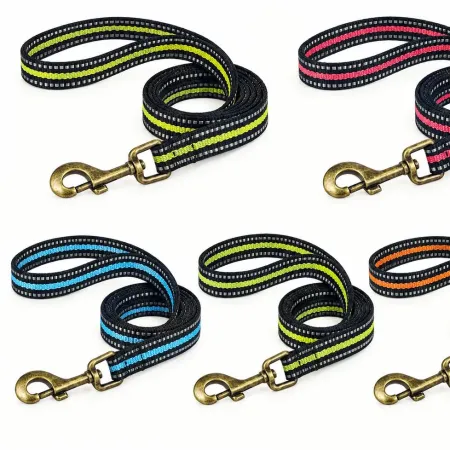
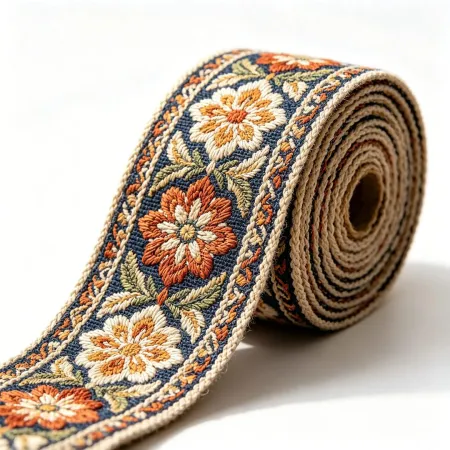
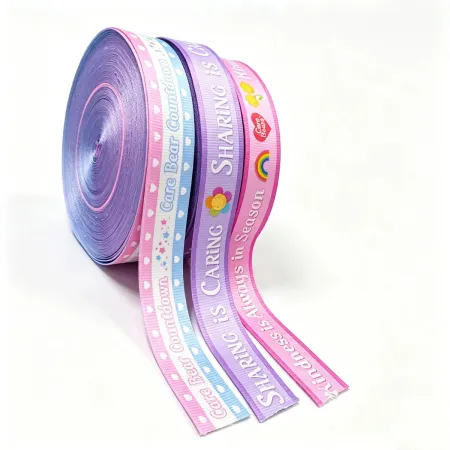
The binding around the edge, the tab that carries the closure and the tie on a simpler design are all narrow woven tape, which is the product this kind of plant has been making since it opened. The bib body is the new part. That is why a narrow fabric manufacturer can enter this category credibly and why a sewing shop with no tape supply struggles to hold a colour match, since the tape it buys will come from a different dye lot than the cloth.
Three Things Fifteen Years of Tape Making Buys
A construction library rather than a catalogue
A plant that has been weaving narrow fabric for a decade and a half has accumulated the settings behind hundreds of constructions: which warp count gives a firm edge, which pick density holds a shape, which finish survives a wash. Those settings are not written on a product page; they are the reason a new brief can be answered with an existing base rather than a development project. The value is in the file, not in the machine.
A dyehouse that treats a small lot as normal
Bib orders are small in textile terms and often come in several colours, which is exactly the profile that a plant built for narrow fabric is used to. A finisher geared to long runs will treat a four-colour bib programme as disruption; one that has spent years running short tape lots treats it as an ordinary week. This is a scheduling culture rather than a capability, and it is the thing buyers notice first when a programme scales.
A laboratory that already measures the right things
Tensile, abrasion and light exposure are the tests a narrow fabric plant runs continuously for its own products, and they happen to be most of what a bib needs as well. The addition is absorbency and wash behaviour, which are simple tests beside the ones already in place. A factory with no laboratory has to send every question out, and the answers arrive after the decision has been made.
Six Lines a Factory Brief Should Carry
- The construction, not the product name — base weight, binding width and closure type, in numbers.
- The colours and how many — since colour count, not piece count, decides the dyeing load.
- The print method — because the fibre decides whether it is a press job or a screen job.
- The closure and its attachment — a snap needs a press and a reinforcement; a tie needs neither.
- The pack — folded, carded, bagged or boxed, and whether it is retail-ready on arrival.
- The tests being bought — named by property, so the factory knows which bench the order will occupy.
Line two is the one that a buyer most often gets wrong, because a bib programme looks like a piece-count order and behaves like a colour order. Four shades on a modest quantity is a harder job than one shade at four times the quantity, and a factory that is not told will quote on the easier reading and then explain the difference later. Stating the colour count at the enquiry stage produces a schedule that can be kept.
- Ask to see the sewing room — not a video of it, and not a photograph of a different one.
- Ask where the binding comes from — the answer tells you whether the colour can match.
- Ask which tests run in-house — and which are sent out, with the wait that implies.
- Ask what the plant already makes — a base in production is faster than a base to be developed.
This site has been weaving narrow fabric in Dongguan since 2011, and bib bodies are cut from bases already running on the cotton webbing range while the binding and tab come off the baby products line in the same building. Custom shapes and labels are handled through OEM and ODM development. The 2000N break strength on the narrow webbing pages belongs to a 20-25 mm strap tab, not to a bib, and a factory enquiry that quotes it for a bib has misunderstood the product.
Two Coordination Failures
The tape and the body come from different dye lots
A sewing shop that buys its binding from a converter will receive tape dyed to a reference, not to the roll it is being sewn onto. Under one light they match and under another they do not, and the customer sees the second condition. Weaving and dyeing both parts in one plant turns a colour-matching problem into a scheduling one, which is a far easier problem to solve.
The print is approved after the cloth is cut
When printing sits in a different building from cutting, an artwork revision arrives after the cloth has already been cut to the old layout. The result is either waste or a bib whose motif runs under the binding. Printing before cutting, inside the same plant, keeps the sequence in the order that allows a late change to cost a print run rather than a production batch.
FAQ: Skin-Friendly Baby Drool Bibs Factory
What is the bottleneck in a bib order?
Sewing. A bib uses very little cloth, so the loom is rarely the constraint and the number of operators at the machines usually is.
Why does one plant for tape and bib matter?
Because the binding has to match the body. Made in one place, the two come from a single dye lot instead of from two suppliers interpreting one reference.
Does a narrow fabric maker know how to sew?
It has to, to make a bib. The relevant experience is in cutting, binding and hardware fitting, and it is worth asking to see the room rather than a reference list.
Are small colour runs welcome?
At a plant used to short tape lots, yes. The question is worth asking directly, since colour count rather than piece count decides the dyeing load.
What should a first enquiry contain?
A drawing with the perimeter, the base weight, the binding width, the colour count, the closure and the pack. That is enough to answer with a construction.
A skin-friendly baby drool bibs factory is judged on the sewing room and the dyehouse, not on the loom, because a bib uses so little cloth that the loom is never the limit. Look for the plant where the tape, the base and the print are already in one building, and the rest follows.
Why Xinxiangrui for Bib Production
This site has run narrow fabric since 2011, and a bib is mostly tape, so the settings were here before the product was: a skin-friendly baby drool bibs factory on this model can answer a new brief with an existing base rather than a project, because the binding and the body are dyed together. Send us the drawing, the width and the target market — we reply with a construction.