Travel Cosmetic Bag: Cabin Size, Crush and Carton Count
A travel cosmetic bag is sold in a season and shipped in a carton, and the second half of that sentence is where launches slip. The design conversation is usually about size and compartments; the delivery conversation is about how many fit in a carton, whether they can be compressed, and which freight route gets them to a shelf before the season ends. A pouch that is perfect in a photograph and 40 percent air in a container is an expensive product with a good design.
This guide covers the four figures that define a travel bag, why cabin dimensions follow rules rather than shelves, how crush resistance is actually achieved, and the five lines that connect a product spec to a shipment that arrives on time.
Four Figures That Set a Travel Cosmetic Bag
Travel products are constrained from outside in. The bag has to fit a rule, survive a container and reach a shelf inside a window, and each of those produces a number worth writing down before the first pattern is cut.
- External dimensions, loaded — not flat. A pouch designed at 240 mm and filled to 260 mm breaks a size rule that it appeared to satisfy on the drawing.
- Crush resistance — what the pouch survives when a suitcase is closed on it. This is a property of the contents and the base, not of the cloth weight.
- Packed volume per unit — the cubic measure the pouch occupies in a carton, which on a soft product is a decision about folding rather than about size.
- Empty weight — the figure that decides whether it is carried or left in a suitcase, and the one that changes most when a lining or a board is added late.
The table relates the four to how each is measured and what it costs when it is discovered after production.
| Figure | How it is measured | Cost of discovering it late |
|---|---|---|
| Loaded dimensions | Filled to the intended load and measured across the widest point | A pattern change and a second sample round |
| Crush resistance | Loaded pouch under a 20 kg flat weight for an hour | Returns from a product that arrives dented |
| Packed volume | Carton dimensions divided by the quantity inside | A freight figure that arrives after the sale is agreed |
| Empty weight | Scale, on the finished pouch with tags | A product that is technically correct and rarely carried |
Three Constraints That Shape a Travel Pouch
The three below come from outside the design, and each one is easier to design around than to argue with later.
Cabin rules, not shelf space, set the size
Carry-on allowances are expressed as a total volume for the cabin bag, and the liquid allowance that drives a toiletries pouch is expressed as container volume rather than bag volume. That means the pouch is not the regulated object, but it decides whether the objects inside stay compliant: containers have to stand upright, stay upright when the bag is compressed, and be reachable without emptying the bag. A pouch designed to a shelf dimension of 240 by 150 mm often turns out to be 10 mm short of holding a standard bottle upright once the base seam is sewn, which is the kind of detail that returns a product rather than a customer.
Crush is a base problem, not a cloth problem
A travel pouch spends its journey with a suitcase lid pressing on it, and what deforms under that pressure is the base and the top edge. A heavier cloth does not fix it; a base panel with a fold and a double-row seam does, and so does a shaped top that keeps the zip line off the highest point. The test takes an hour: load the pouch, put a 20 kg flat weight on it, wait, then remove and look at whether the base has taken a set. A pouch that recovers is a product; one that stays flat has a base that was never designed for a suitcase.
The season closes whether the goods arrived or not
Travel products sell into a window: the weeks before a holiday period, a summer, a year-end. A shipment that lands three weeks late lands in the wrong window and is discounted or stored, and the difference between the two outcomes is usually decided at booking rather than at production. A soft product is light for its volume, which means freight is charged on cubic measure and the cheapest route is the one that packs the tightest. Sea freight costs less per unit and takes weeks; air costs more and takes days; express exists for the emergency reorder. Choosing between them is a planning decision that belongs in the specification, not a surprise at the port.
Pack one carton before you agree to a quantity
Ask for a photograph of one packed carton with the quantity marked on it, then measure the carton. Multiply the three dimensions and divide by the number of pouches inside, and you have the packed volume per unit rather than a promise. That single figure decides whether the freight is a rounding error or a third of the landed cost, and it is far easier to change a folding method than a carton that has already sailed.
Five Lines That Connect a Spec to a Shipment
A travel pouch is a product and a parcel at the same time, so half of its specification is written for the shop and half for the freight forwarder.
- Loaded external dimensions with a tolerance — measured full, not flat, because the rule the pouch has to satisfy applies to the product as used.
- Flat or filled packing — a decision with two consequences: cubic measure and creasing. Flat packing needs a cloth that recovers from a fold; filled packing costs volume.
- Quantity per carton and carton markings — both numbers plus the SKU and lot code, since a carton that cannot be identified at the warehouse becomes a delay on arrival.
- Retail presentation requirements — a header card, a hang tag or a barcode area. These change the carton and sometimes the pouch, and they are cheapest to add at the drawing stage.
- Route and the date it has to land — the arrival date rather than the ship date, because the ship date is the one everybody quotes and the arrival date is the one the season is measured against.
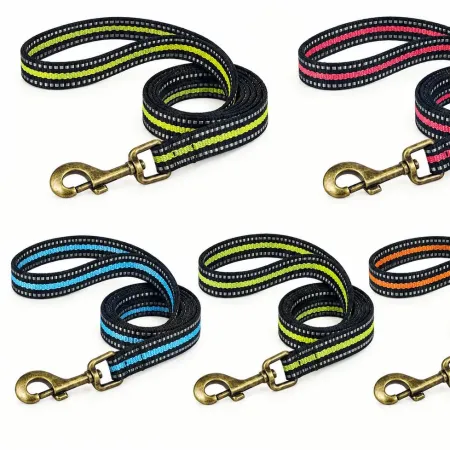
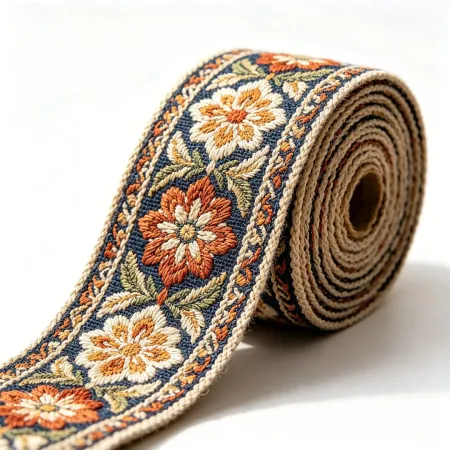
Travel pouches are built inside the custom spec bag programme, and the OEM and ODM page sets out the packing, retail-ready presentation and air, sea and express routes used for light shipments. Handles, hang loops and zip tabs come off the polyester webbing line woven to 2000N+ break strength, and the testing page lists the tensile methods applied to them.
FAQ: Travel Cosmetic Bag Questions
What size should a travel pouch be?
Set the internal height from the tallest bottle plus 15 mm, then check the loaded external dimensions. Most cabin-oriented pouches land between 220 and 260 mm long, which keeps them inside a cabin bag without dominating it.
Will a soft pouch survive a suitcase?
It will if the base has a fold and the top edge is not the highest point. A bag without a base panel collapses into a flat shape under a lid and takes a set that does not come out.
How many pouches fit in a carton?
It depends on whether they are packed flat or filled, and the difference can be a factor of two. Ask for the packed quantity and the carton dimensions together, then calculate the volume per unit before comparing freight options.
Should a travel pouch be packable into itself?
A pouch that folds into its own pocket is a useful feature and a construction complication: it needs a pocket sized to the folded pouch, which is a different dimension from the pouch itself. Decide it early or leave it out.
How early should a seasonal order be booked?
Work backwards from the arrival date, not the ship date. Sampling, approval, cloth procurement and production each take a slot, and the slot that slips is almost always the one where a decision was deferred.
A travel cosmetic bag is a product and a parcel, and both have to be specified. Set the height from the tallest bottle, test the base under a flat weight, measure one packed carton before agreeing a quantity, and book the route against the arrival date rather than the ship date. Four figures, and the pouch reaches the shelf in the season it was designed for rather than the one after it.
Why Xinxiangrui for a Travel Cosmetic Bag
A travel cosmetic bag is light and dated at the same time, and both halves are handled here rather than passed on: air, sea and express routes quoted side by side, packing to retail or wholesale instruction, and customs paperwork that leaves with the cargo from a plant shipping to 50+ markets since 2011. Trim is woven on site to 2000N+ break strength, so a handle or a hang loop is a documented component. Send us the trip profile and the carton target — we reply with a construction.