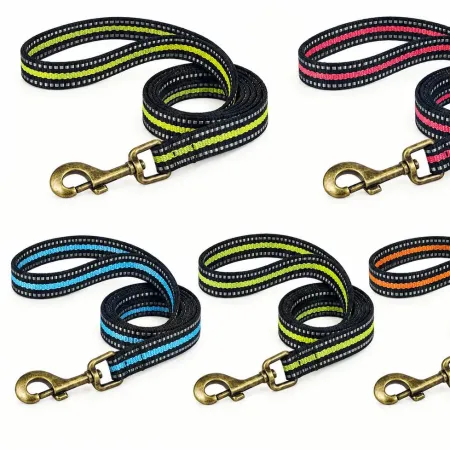
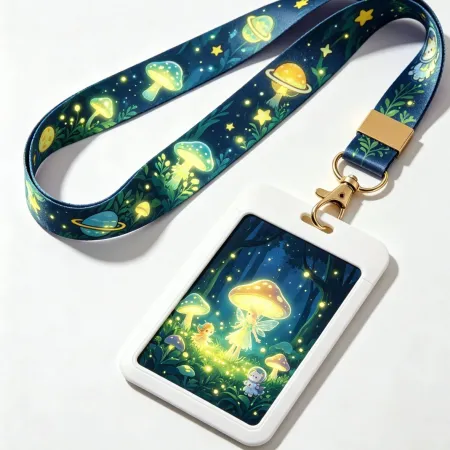
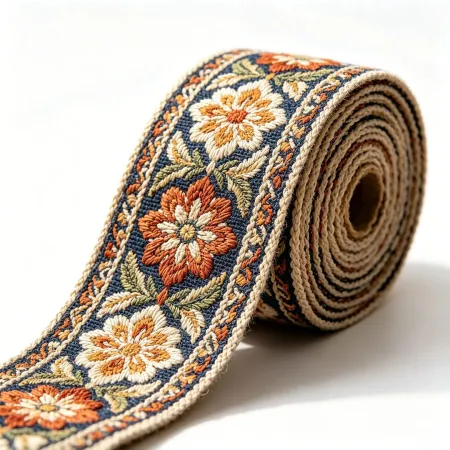
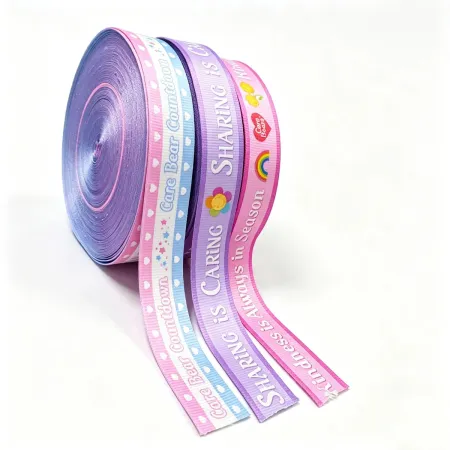
ODM Baby-Friendly Soft Webbing: Starting From a Design That Already Exists
ODM baby-friendly soft webbing begins with a question most brands answer too late: does this strap need to be new? An existing construction — a weave already on a loom, a print already set up, a buckle already tooled — can cover most infant strap requirements, and starting from it removes two of the three stages that make development slow.
This guide covers where ODM ends and OEM begins, what an existing design actually gives you, how intellectual property and exclusivity work when the base construction is shared, and the situations in which a fully bespoke programme is genuinely the better commercial answer.
OEM and ODM Baby-Friendly Soft Webbing: Where the Line Sits
The two terms get used interchangeably in enquiries, which is why the first conversation is often about design ownership rather than about strap construction. The difference is who supplies the design.
| Element | OEM: you bring the design | ODM: the design already exists |
|---|---|---|
| Starting point | A tech pack and a specification you wrote | A construction already woven, dyed and tested |
| Development load | Sett and pick trials from scratch, plus dye matching | Adaptation only: colour, width variant, print or hardware |
| Time to first carton | Longer, because two sampling rounds are normal | Shorter, because the base is already proven |
| Design ownership | Yours, and the print files and tooling should say so in writing | The base is shared; your brand artwork and colourway are yours |
| Differentiation | High, and defensible if the construction is genuinely novel | Comes from colour, print, hardware and packaging rather than the weave |
Neither route is superior. An accessory line that needs to reach shelf quickly is usually better served by ODM; a flagship carrier whose comfort claim depends on a specific weave needs OEM, because the construction is the product.
What an ODM Programme Reuses
Four assets are recycled when you start from an existing design, and each one removes a specific risk rather than merely saving time.
- A proven weave — sett, pick density and edge route have already run in production, so the hand feel and thickness are known quantities rather than predictions. The failure mode of a new construction, where one property lands off target, does not arise.
- Existing test data — tensile, abrasion, UV and colourfastness figures exist for the base article. Your batch still needs its own report, but the margin is known before you commit.
- Set-up already paid for — a jacquard programme, a print repeat or a dye recipe that is already running costs a fraction of a new one, because the expensive preparation happened for an earlier customer.
- Hardware already fitted — the buckle interface is the slowest part of a strap development. If the base construction has already been trial-fitted to a standard adjuster, the pull force is a known figure.
Where a base construction exists, the first sample is usually a variant rather than an experiment: the same weave at a different width, or in a colourway mixed for your season. That shift changes where the risk sits. It is no longer whether the strap will behave under load, which the base has already demonstrated, but whether the colour and the hardware interface are right — two questions that are answered by a swatch and a buckle rather than by a new loom trial.
IP, Exclusivity and Who Owns What
The commercial questions arrive after the sample is approved, which is the wrong order. Three of them should be settled before the first order.
The base is shared; your artwork is not
An ODM base construction is likely supplying other brands, and that is the point of the model. What should not be shared is the artwork, the colourway created for you and the packaging. Put those in writing as yours, and ask explicitly whether the same colourway is being supplied to anyone else in your market.
Exclusivity is a commercial term, not a feature
If a colourway or a print matters to your positioning, ask for exclusivity in your territory and be prepared for it to be a negotiated commitment rather than a default. A supplier who agrees instantly has probably not understood what you are asking for.
Ask what happens if you leave
The practical test of an ODM arrangement is whether you can move. Do you hold the print files, the colour reference and a retained sample of the approved construction? If the answer is no, you are renting the design rather than adapting it, and that becomes visible on the day you want a second source.
The question that reveals an ODM base
Ask which other products are already made from this construction, and in which markets. An open answer tells you the base is mature and the mill knows its behaviour; an evasive one usually means the base is close to someone else's product or has not actually run at volume.
When ODM Is the Wrong Answer
An existing design is a shortcut, and shortcuts have conditions. Four situations call for OEM instead.
- The comfort claim depends on the weave — if your product is sold on how a strap carries load or how an edge feels, the construction is the differentiator and cannot be borrowed.
- The load case is unusual — a long span, an unusual angle or a very heavy child may sit outside what the base construction was designed for, and adapting it costs more than designing it.
- The compliance file must name your article — some retailers want certification that covers a construction unique to the brand. Sharing a base makes that harder to argue, even when the chemistry is identical.
- The colourway is the product — if the seasonal story is a specific shade that nobody else can hold, the dye route usually has to be developed rather than borrowed.
How Xinxiangrui Runs ODM Adaptations
An ODM programme only works quickly if adapting colour, print and hardware happens in one place instead of three.
- A base library to adapt from — three product lines, 17 categories and 65 individual product pages, most of them already woven on the same looms, so an infant strap often starts from a cloth in production rather than a blank page.
- Colour and print adapted on site — the continuous high-temperature dye line and dye-sublimation printing sit in the Dongguan plant, so a new colourway or artwork on an existing base stays a single work order.
- Data transferred, not restated — the base article's tensile pull past 2000N+ break strength, abrasion past 50,000 cycles and colourfastness results are available at the start, and your batch is reported against the same methods.
Bases worth adapting are in the baby products range, with the carrier strap and harness strap the two most frequently adapted. Bio-based options sit in the bio-based webbing range, and OEM and ODM development sets out how the two routes are handled.
FAQ: ODM Baby-Friendly Soft Webbing
Does ODM mean the product will look like a competitor's?
The weave may be shared, but the visible product is colour, print, hardware and packaging. In practice two brands on the same base rarely look alike. The risk worth managing is a colourway so close to another brand's that customers notice, which is why territory exclusivity is worth discussing up front.
Can an ODM base be modified at all?
Yes, and that is where most value sits: a width variant, a different edge finish or a thicker build off the same weave. What you avoid is designing from first principles. The distinction worth keeping is between adapting a construction and creating one, because they carry different development effort.
Who owns the print artwork?
You do, and it should say so in writing before the first run. Ask for the print files, the colour reference and a retained sample of the approved construction to be held by your company, not only by the supplier. That single habit is what makes a future change of supplier practical rather than painful.
Is ODM cheaper than OEM?
It avoids the cost of a new set-up, which is the largest single item in a bespoke development, and it shortens the sampling cycle. Whether the delivered article is better value depends on how much of your positioning rests on the construction itself. For accessories, usually yes; for a flagship product, often no.
What does the supplier need from me to quote an ODM programme?
Far less than for OEM: the application, the load, the target width, a colour reference, the artwork if there is one, and the markets you sell into. The hardware question remains, because even an existing base has to pass through a specific buckle.
ODM is a disciplined shortcut, not a compromise. Start from a construction that has already been woven and tested, change what your brand actually owns — colour, print, hardware, packaging — and keep the documents in your own hands. That is how ODM baby-friendly soft webbing turns a development project into a production order.
Why Xinxiangrui for Baby-Friendly Soft Webbing
Most infant straps at Xinxiangrui start from cloth already in production rather than a blank page, a base library built over 15 years of narrow fabric work in Dongguan, backed by a floor complete enough to adapt it: looms, a continuous high-temperature dye line, sublimation printing and hardware assembly in one 8,000+ m² plant. Share your requirements with us and we will come back with a matched sample.