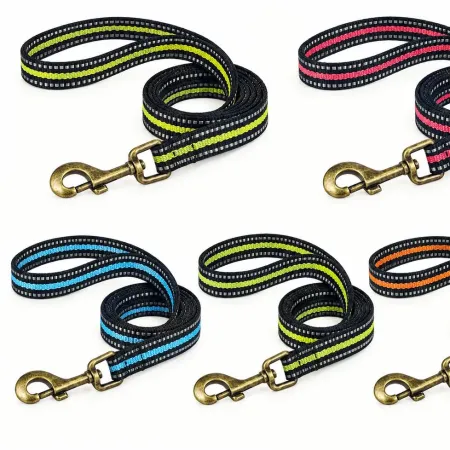
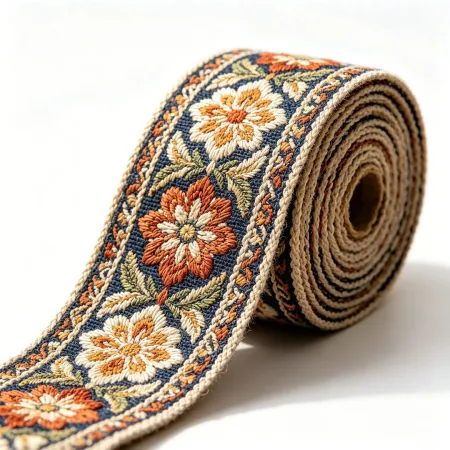
High-End Luggage Case With Webbing Straps: The Rated Part
A high-end luggage case with webbing straps is unusual in this category because one of its components carries a figure that can be tested to destruction. The strap is woven narrow fabric, and a standard construction clears 2000N across the width before it breaks. The shell, the wheels and the handle are judged on behaviour — flex, rumble, wobble — rather than on a single number. That makes the strap the easiest part of the case to specify and the one most often specified badly.
This guide covers the three places a strap works and the load each one sees, what the 2000N figure does and does not mean, why anchors fail before straps do, and what a file behind the webbing has to contain.
High-End Luggage Case With Webbing Straps: Three Positions
The same fabric is used in three places and asked to do three different jobs, which is why a single width and weave rarely serves all of them well.
- Exterior belt — a strap round the outside of a soft or semi-rigid case, taking the outward push of a full load and protecting the closure from it.
- Interior compression — two straps inside pulling the packing down towards the base, which is the fitting that lets a large case close without being forced.
- Handle wrap — the fabric that makes a rigid grip comfortable, usually the thinnest and most handled piece of webbing on the product.
| Position | Load it sees | What it needs |
|---|---|---|
| Exterior belt | Steady tension plus abrasion | Wide, dense weave, low stretch |
| Compression | Buckle tension and a hard pull | Firm edge, no curl under load |
| Handle wrap | Rubbing, sweat, sunlight | Soft hand, fastness, UV stability |
2000N is a width figure, not a strap figure
A break strength belongs to a construction at a stated width. A 20 mm band and a 38 mm band of the same weave do not carry the same load, and a figure quoted without a width is not a specification. This is why a strap should be described as a weave at a width, and why narrowing a strap to save millimetres quietly lowers the number nobody re-checks.
Three Things a Strap Specification Needs
What the break figure means
A break strength is measured by pulling a sample to failure, which tells a designer how much margin exists but says nothing about how a strap behaves at a working load. A belt tensioned round a full case sits at a fraction of its break figure, and what matters there is stretch, creep and how the buckle holds. Both readings are useful, and they answer different questions — one about safety, the other about the product closing properly on the hundredth trip.
Fastness is the second specification
An exterior belt lives in sunlight, rain and the rub of a baggage carousel, and a handle wrap lives in a hand. Colour fastness to light, to water and to rubbing are three separate tests, and a strap can pass one and fail another comfortably. A dark belt that crocks onto a pale shell in a humid hold is a claim waiting to happen, and it is decided by the dye class rather than by the shade.
Anchors fail before straps
In practice a strap almost never breaks in the middle. It pulls out of its anchor, or the stitching beside the anchor yields, because the load arrives at a small area through a bar or a box. That is why the anchor pattern and the stitch specification belong in the same paragraph as the webbing, and why a change of buckle can matter more than a change of weave. The strap is strong; the joint is the design.
Six Lines for a Strap Order
- Weave and width — named together, since the figure and the fit both depend on the pair.
- Break strength at that width — with the test method stated, because a figure without a method cannot be compared with another supplier's.
- Colour and dye class — with the fastness tests the destination expects, rather than a shade number alone.
- Edge finish — hot-cut, woven or folded, which decides whether the strap frays at a cut end inside a seam.
- Anchor pattern — stitch type, pitch and the bar or box the strap passes through, drawn rather than described.
- The document set — the declarations covering fibre, dye and finish, since the strap touches hands and sometimes clothing.
The second and sixth lines are where a woven-in-house supplier differs from one that buys finished straps. A break figure that clears 2000N can be repeated only if the loom settings and the yarn lot are known, and a declaration is only as good as the record of what went into the dye bath. Both are properties of the making rather than of the catalogue page, and both are the reason the webbing in a luggage case is worth buying from the plant that wove it.
Straps and belts for cases sit alongside the custom specification bag range, and the narrow fabric itself comes off the polyester webbing and nylon webbing lines, with break, fastness and abrasion figures produced in the in-house laboratory.
What the File Has to Contain
A declaration is a chain, not a page
A document that covers a strap has to describe the fibre, the dye chemistry and the finish that were actually used on the roll in question, because a certificate for a similar product from a different mill is not evidence about this one. Buyers who ask for the chain — yarn, dye house, finisher, loom — get an answer they can defend in a customs conversation. Buyers who accept a folder of general certificates get reassurance rather than proof.
Where a case ships to several markets, the file also has to be assembled per carton rather than per order, since the same container may hold stock for destinations with different requirements. That is an operational habit rather than a technical one, and it is where a supplier used to multi-market shipments differs from one that is not.
Cut length is the other line that gets left out, and it is the one an assembly line notices first. A strap supplied on a roll has to be measured, cut and sealed at the bench, which adds a step and a chance of a ragged end going into a seam. A strap supplied cut to length, hot-sealed and bundled in the order the case is built arrives as a component rather than as material, and the operator who fits it never has to think about width or direction. The difference shows up as a lower reject rate at the anchor, not as a lower figure on the invoice.
There is a limit to that convenience, and it is worth stating plainly. Cut-to-length webbing is only an advantage when the drawing is stable. If the case is still being revised, a bundle of pre-cut straps becomes a bundle of scrap, and the roll was the safer purchase. Knowing which stage the programme is at is part of quoting it honestly.
FAQ: High-End Luggage Case With Webbing Straps
What does 2000N mean on a luggage strap?
It is the load at which a standard construction at a stated width breaks when pulled. It describes margin rather than working behaviour, and it only means something when the width and the test method are named alongside it.
Which is better, polyester or nylon webbing?
Polyester resists UV and water better and holds its colour outdoors; nylon is stronger and softer in the hand. For an exterior belt, polyester usually wins; for a handle wrap, nylon often feels better. Both clear the same break figure at the same width.
Why did the strap come out of its anchor?
Because the load arrives through a small bar and the stitching there carries it. The fix is usually a longer stitch run, a box-X pattern or a wider bar, not a stronger fabric.
Can a strap be dyed to match the shell?
Closely, but the two materials take colour differently and read differently under shop light, which is why the pair has to be approved together rather than separately. A dark shell with a dark belt is the easier match.
What documents should come with the webbing?
The declarations that name the fibre, the dye chemistry and the finish used on that roll, plus the test reports for break, fastness and abrasion. A general certificate for a similar product is not the same thing.
A high-end luggage case with webbing straps has one component that can be proved with a number, and the work is to describe it precisely enough that the number means something: weave and width, break at that width, dye class, edge finish, anchor pattern and the file behind it. Do that and the strap becomes the part of the case a buyer can rely on rather than the part they hope about.
Why Xinxiangrui for High-End Luggage Case With Webbing Straps
A file behind a high-end luggage case with webbing straps has to survive an audit rather than a conversation, so the declarations here name the fibre, the dye chemistry and the finish that went into the actual roll, alongside the certificate numbers that cover them. Break, fastness and abrasion readings come off the plant's own bench, and the strap that clears 2000N was woven on the loom that signed for it. Send us the strap position and the destination, and the file comes with the sample.