Nylon Webbing by the Yard: Buying Small Without Guessing
Nylon webbing by the yard is the retail end of a wholesale material, and the buyers who work at that end have a different problem from a factory. They are choosing by hand and by eye, in quantities measured in metres rather than rolls, often across several colours at once, and they cannot afford a sampling round that costs more than the order. What they need is not a quotation but a swatch, in the right widths, cut from production and sent before the decision rather than after it.
This guide covers what a small buyer actually needs from a yard-length order, the three traps that catch makers buying webbing for the first time, six lines that make a small enquiry efficient, and how a swatch set replaces a sample round.
Nylon Webbing by the Yard: What a Small Buyer Actually Needs
Four requirements matter at yard length and almost none of them appear on a wholesale specification, because they are about handling rather than about strength.
- One continuous piece — a join in the middle of two metres ruins a project, and a join is exactly what the end of a roll produces.
- A clean cut — square, sealed or stitchable, because a maker has scissors rather than a hot knife.
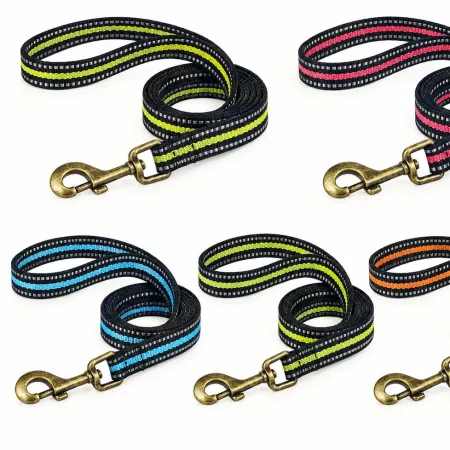
- A true colour — a physical sample, because a screen shows a dyed nylon as something brighter and bluer than it is.
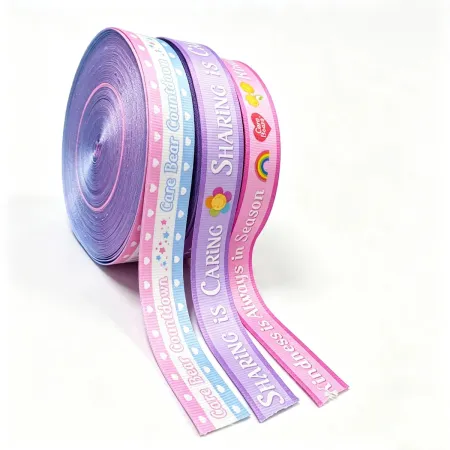
- Several widths at once — the decision is usually 20 mm against 25 mm, and it is made by holding both.
| Buyer | What they need most | Usual mistake |
|---|---|---|
| Bag and accessory maker | Several shades, small quantities, clean edges | Ordering by width alone, without a colour reference |
| Repair and alteration shop | Matching an existing band | Matching colour without matching width |
| Small brand in development | Repeatability, so the next order matches | Not recording the construction of the first order |
| Craft and hobby buyer | Palette and small packs | Buying one width before trying two |
The end of a roll is not the same as the middle of one
Yard lengths are usually cut from the tail of a roll, which is where the mill puts the joint, the change of shade and the slightly distorted selvedge. That is not a defect in the roll; it is the part that cannot go into a factory order. A small buyer who knows this asks for a cut from a continuous section rather than from the end, and gets a piece that behaves like the rest of the material.
Three Traps That Catch a First Order
A join you did not ask about
Mills join rolls when a length finishes mid-order, and the joint is sound enough for industrial use and useless for a maker cutting a continuous handle. Asking whether the piece is continuous, and stating the shortest usable length, is enough to avoid it. Where a length cannot be supplied in one piece, a supplier should say so before dispatch rather than let the maker discover it at the cutting table.
A cut edge that will not behave
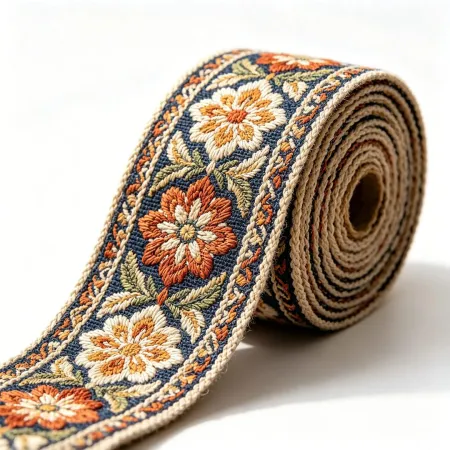
A hot-cut edge from the mill is sealed and stiff, which is good for a strap and awkward for a maker who needs to fold the end under and stitch through it. A woven selvedge is softer and easier to work with, and a plain cut that has been sealed is somewhere between the two. Naming the edge treatment in the order is a sentence; discovering it after the piece arrives costs a metre and a week.
A colour that was approved on a screen
Dyed nylon is one of the hardest materials to judge from a photograph, because the weave catches light and a phone camera exaggerates saturation. A maker who chooses from a picture will usually find the real colour slightly deeper and slightly less bright, and the difference matters most in the shades people care about: navy, olive, burgundy. A card with the actual band on it is the only way to decide, and most suppliers will send one.
Six Lines That Make a Small Enquiry Efficient
- The widths you are choosing between — two or three, not one, because the decision is comparative.
- The shortest usable piece — the length below which an offcut is waste for you, so a join can be avoided.
- The edge you can work with — sealed, selvedge or stitched, and whether you will fold it.
- The colours, by name or by reference — and whether a near match is acceptable if the exact shade is short.
- What the band has to do — carry, trim, tie or hang, which is enough for a supplier to flag a construction that will not suit.
- Whether it will be reordered — because that decides whether the construction should be recorded rather than simply supplied.
The sixth line is the one a small brand should answer yes to even when the first order is tiny. A construction that was never written down cannot be repeated, and the second order will arrive with a slightly different thickness, a slightly different shade and a slightly different hand feel. A note in the supplier's file, with the width, the thickness, the weave and the shade reference, is what makes a small first order the beginning of a product rather than a one-off purchase.
Where the piece will carry anything, the number is worth having even at yard length. A 1 inch nylon webbing base clears 2000N, which is far more than a bag handle needs, and knowing the figure stops a maker from over-specifying out of worry. A short test summary and a swatch in the same envelope is the most useful thing a small buyer can receive. If the project later grows, custom development can move the same construction to a roll, and a polyester webbing version is worth comparing if the item will live outdoors.
Two Ways a Swatch Set Replaces a Sample Round
It answers the comparison, not the question
A single sample answers whether one option is acceptable. A set of three answers which is better, and that is the decision a maker is actually making. A set covering two widths in three shades costs a supplier very little and removes the round of ordering one, rejecting it and ordering another, which is the most expensive way to buy a metre of anything. Keep the set when the project is finished: a card with the chosen width beside the rejected ones is a record of why the design looks the way it does, and it answers the question before anyone asks it.
It arrives before the commitment, not after
A yard-length order placed to see what the material is like is really a sample that was paid for at retail and shipped at retail speed. A swatch set sent ahead of the order reverses that: the maker decides in daylight with the pieces in hand, then orders the length they have already chosen. For a supplier it is a small envelope; for a maker it is the difference between choosing and hoping.
FAQ: Nylon Webbing by the Yard
Will a yard length arrive in one piece?
It should, if you say so when ordering. Rolls are joined when a length runs out, and the tail of a roll is where a join is most likely to be.
Can I get a swatch before ordering?
Ask for a card covering the widths and shades you are considering. It is the only reliable way to judge a dyed nylon, and it is far cheaper than ordering a metre to look at.
How do I cut webbing without fraying?
Sharp scissors and a line of stitching behind the cut is the reliable method. A flame works on synthetic webbing but it is easy to overdo and it stiffens the end.
What width do most small projects use?
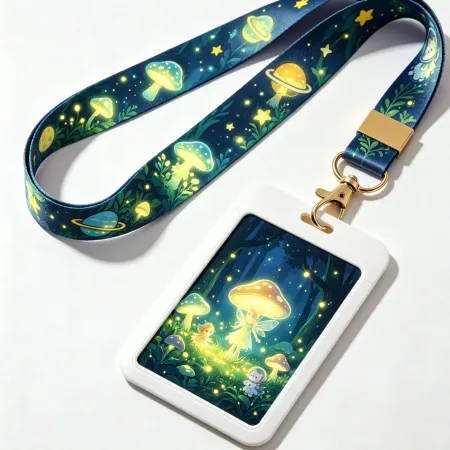
20 mm and 25 mm cover most bag, strap and trim work. 38 mm appears on belts and heavy handles, and 13 mm on lanyards and fine trim.
Can a small order be repeated exactly?
Only if the construction was recorded. Ask for the width, thickness, weave and shade reference in writing with the first order, and keep them with the piece.
Nylon webbing by the yard is a small purchase that still deserves a real specification. Ask for a continuous piece, a swatch before the order, and the four numbers written down, and the metre you buy will be the metre you can buy again.
Why Xinxiangrui for Nylon Webbing by the Yard
A by-the-yard buyer decides with their hands and their eyes, so the sample has to arrive before the order rather than after it. Sampling runs off production settings rather than a bench, and a swatch set can cover the widths and shades in one envelope, so a maker can hold 20 mm against 25 mm in daylight before committing to a length. Send us the widths and the colours you are weighing up, and the set comes back ready to sort.