High-End Luggage Case Manufacturer: Who Owns the Mould
A high-end luggage case manufacturer and a luggage case assembler can look identical on a website and behave completely differently the day a programme is cancelled. The difference is ownership — of the mould, of the trim specification, and of the records that let a repeat order match the first. Asking who owns the tool tells you what kind of relationship you are starting, and it is a question worth asking before a sample exists rather than after a deposit has been paid.
This guide separates the three kinds of supplier that all describe themselves as manufacturers, explains why tooling language belongs in the brief rather than in a contract appendix, and covers the two assets that decide whether a reorder arrives identical to the first order.
High-End Luggage Case Manufacturer: Three Kinds of Supplier
The words are used loosely, so it is worth being precise about what each one actually controls, because control is what a buyer is really purchasing.
- The tool owner — forms its own shells from its own moulds, so a change of geometry is a decision it can make and a new shape is a project it can run.
- The assembler — buys finished shells and builds the product around them; fast and competent within a fixed library of shapes, and unable to change the envelope.
- The trader — owns no plant and coordinates others; useful for a catalogue product and exposed when a technical question arrives.
| Type | What it controls | What happens when the programme changes |
|---|---|---|
| Tool owner | Mould, process, trim, records | Can re-cut, can move a fitting, can re-run |
| Assembler | Fittings, trim, records | Changes within the shell library only |
| Trader | The relationship, not the process | Substitutes a comparable product and explains |
The mould is the asset, not the case
A case is a disposable object; the tool that made it is the thing a buyer is really paying to create. That is why a conversation about a new product is a conversation about who holds the tool, where it is stored, what happens to it if the relationship ends, and who may run it afterwards. Buyers who never ask that question sometimes discover that their product is available from a second seller at a lower figure, made on a tool they paid for.
Three Things a Manufacturer Owns
Tooling language belongs in the brief
A brief that says what the product must do and stops there leaves the most expensive item undefined. The useful version names the shell, its geometry, its material and its finish, and then states who will hold the tool and under what conditions it may be run for anyone else. That paragraph costs an hour to write and prevents the single most expensive misunderstanding in the category.
The trim specification is the second asset
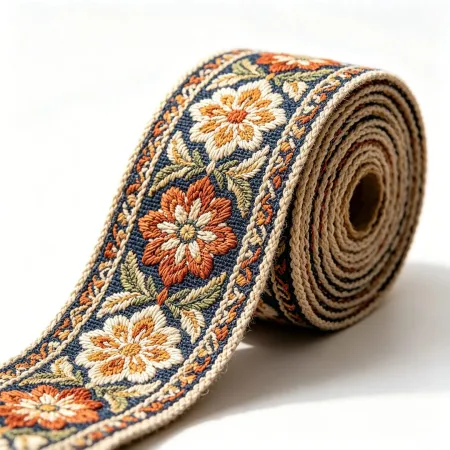
Two cases can share a mould and be different products entirely because of the webbing, the lining and the anchor positions. If those are described only as "black strap, 25 mm", the second order will be whatever the mill had that week. A trim specification names the weave, the width, the colour standard, the anchor pattern and the stitch, and it is what makes a repeat order a repeat rather than a resemblance.
Why a repeat order drifts
Drift is rarely a decision; it is a series of small substitutions made to keep a date. A roll of the right shade runs short, a fitting is out of stock, a lining colour is discontinued. A manufacturer with records substitutes deliberately and tells you; an assembler without them substitutes quietly and the difference appears in the third container. The defence is dull and effective: lot numbers on the trim, photographs of the approved sample with the date, and a written list of what may be changed without approval.
What to Settle Before Tooling
- Ownership in writing — who holds the tool, where it lives, and what happens to it if the programme stops.
- Exclusivity — whether the tool may run for anybody else, which is a separate question from ownership and often the one that matters commercially.
- The trim specification — weave, width, colour standard, anchor pattern and stitch, written out rather than sampled by eye.
- The approved sample — signed, dated and photographed, with a note of which parts are considered critical.
- The change rules — what may be substituted without approval and what must be raised first, since every supplier will face a shortage at some point.
- The record set — lot numbers, test reports and the documents the destination requires, agreed as part of the order rather than requested later.
The third point is where a narrow-fabric plant can be more useful than a company that buys straps in. Webbing that clears 2000N across the width is a figure that has to come from the loom that wove it and the bench that pulled it, and a supplier who bought the roll owns neither. When the trim specification names a weave and a break figure, the supplier's answer narrows immediately to the ones who actually make the fabric.
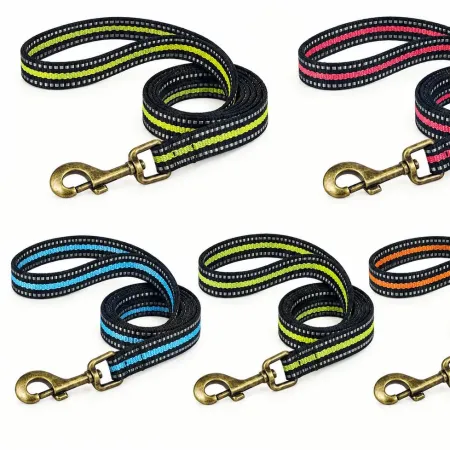
Cases and their trims sit alongside the custom specification bag range, the straps and belts come off the nylon webbing and polyester webbing lines, and a trim specification agreed with a buyer is run through OEM and ODM development.
When an Assembler Is the Right Choice
Not every project needs a tool
If the product is a variation on a shape that already exists, an assembler with a good shell library will be faster and often better than a manufacturer who would have to build a tool to start. The mistake is choosing on the label rather than on the requirement: a buyer who needs a new envelope needs a tool owner, and a buyer who needs a new trim on a known shape does not. Deciding which of those two the project is happens at the brief, and it is the most consequential line in it.
Where the answer is genuinely unclear, ask for a sample in the nearest existing shell with the new trim fitted. That single object usually settles it, because the trim is where the product's character lives and the shell is often less important than the brief assumed.
There is a fourth asset that rarely appears in a contract and settles more arguments than the other three: the packing record. Which carton, which marking, which protection and which loading order were used on the approved shipment. When a later container arrives with crushed corners, that record is what establishes whether the packing specification was followed or whether it was always inadequate. Ask for it as a document rather than as a memory, because it costs nothing until the day it is needed.
FAQ: High-End Luggage Case Manufacturer
Who owns the mould in a typical project?
It depends entirely on what was agreed, which is why it has to be written down. Some plants hold the tool and grant exclusive use; some buyers pay for the tool and hold it themselves. Both work, and neither works if nobody wrote it down.
Can I move my tool to another plant?
Sometimes, and the practical obstacles are condition, transport and the settings the second plant does not have. A tool that has been maintained and documented travels well; one that has been run hard without records arrives as a shape of unknown history.
Why is my second order a slightly different shade?
Because the shell, the lining and the webbing are separate lots and only one of them may have been carried over. A buyer who specifies a lot number on the trim, and keeps the approved sample, has something to compare; one who approved by eye has a memory.
Does a manufacturer have to make the trim too?
No, but it changes what can be answered. Where the webbing is made in the same plant, a width or shade question is answered from the loom; where it is bought in, the answer is a lead time from a third party.
What should an approved sample include?
The case, the trim lot numbers, the date, the shade standard and a note of which dimensions and which parts are critical. A sample without that information is a nice object rather than a reference.
A high-end luggage case manufacturer is defined by what it owns, and the two assets that matter are the tool and the trim specification. Settle both in the brief, agree who may change them, and keep the records that make a second order possible. The sample will look after itself; the ownership is what protects the product.
Why Xinxiangrui for High-End Luggage Case Manufacturer
Weaving, dyeing, printing and hardware assembly run inside one Dongguan park, so the trim specification behind a high-end luggage case manufacturer order is written by the people who run the loom rather than reconstructed from a sample: a weave, a width, a shade standard and an anchor pattern, each traceable to the lot that made it. That is what a repeat order has to match. Send us the case drawing and the trim list, and the parts are quoted as a specification.