Premium Cosmetic Bag: Six Details That Decide the Product
A premium cosmetic bag is not a pouch made from more expensive cloth. It is a pouch where six small decisions have been made deliberately instead of by default, and a buyer can find all six in under a minute without opening the zip. The cloth matters less than most people expect: at this level the differences that register are the edge finish, the way the lining behaves when the pouch is empty, the weight of the slider and whether the stitching runs straight at the corners.
This guide covers the six details worth inspecting, the three that fail silently after a season, and what a reorder has to reproduce if the second run is to look like the first.
Six Details a Premium Cosmetic Bag Is Judged On
The six below are ordered by how quickly a customer notices them. The first three are seen in the shop, the last three are noticed after a month of use, and a product that fails any of the last three will not be bought twice.
- The edge finish — a bound edge, a turned edge or a painted edge. Each reads differently at the top of the pouch, which is the part held in the hand and photographed. A wavy binding announces itself immediately.
- The hardware weight — a slider and a pull with mass feel different from a stamped pair, and the difference is perceived as quality before anything is opened.
- Stitch consistency at the corners — the four places where a seam turns are where a sewing line reveals its skill, and where a cheaper product shows a skipped stitch or a pucker.
- Lining behaviour when empty — a bagged lining that sags away from the shell looks unfinished the moment the pouch is opened. A lining cut to the same pattern as the shell sits flat.
- Colour match across components — shell, lining, binding, zip tape and thread in one shade family. A tape half a grade off is the most common tell on an otherwise good pouch.
- Interior finish — whether the inside is treated as a surface or as a hiding place. A clean interior seam, a small woven label and no loose thread ends are what separate a considered product from a covered one.
The table contrasts the two ways each detail is usually executed, because the difference is almost always a decision rather than a capability.
| Detail | The default way | The considered way |
|---|---|---|
| Top edge | Ready-made binding in the nearest stock colour | Binding cut from the same lot as the shell, or a turned edge with a 12 mm allowance |
| Slider and pull | Stamped pair from the zip supplier's stock list | A specified casting with a named finish, matched to the eyelet or the D-ring |
| Lining | A bagged lining one size larger, tucked under the binding | A lining cut to the shell pattern, attached at the top seam and turned |
| Thread | Whatever is on the machine, in the closest shade | Thread dyed to the shell shade, with the ticket size stated |
| Interior label | A printed satin label sewn into the side seam | A woven label with a folded edge, positioned square to the seam |
Three Details That Fail Silently
The failures below do not appear in a shop and do not appear in an inspection report taken on the day of packing. They appear at the customer, three to twelve months later.
The painted edge is a coating, not a finish
Edge paint on a cut hide or a laminated panel is applied in two or three passes and looks immaculate on the sample. It fails where the pouch is opened, because the paint is brittle relative to the substrate and cracks along the fold. A quality edge is built rather than applied: the edge is sanded, primed, painted and waxed, and the paint is flexible enough to survive being bent. Ask how many passes and whether the edge is burnished, and bend the sample edge between two fingers until it doubles; a painted edge that whitens at the crease will fail in the field.
The lining decides the shape after a year
A lining cut larger than the shell and bagged inside leaves the pouch looking generous on day one and sloppy on day three hundred, because the extra cloth has nowhere to go and gathers at the base. A lining cut to the same pattern, joined at the top seam and turned through, keeps the shell in tension and holds the shape. The difference costs a little more labour at cutting and sewing and almost nothing in material, and it is the single most reliable sign that a pouch was engineered rather than assembled.
The metal is where the eye goes first
A customer cannot judge a weave but can judge a zip pull in half a second, and a light stamped pull reads as inexpensive no matter what it is attached to. Weight, plating and the shape of the pull are the three variables, and they are also the three that get substituted on a reorder when a supplier changes its stock. Specify the hardware by article code and finish rather than by description, and keep the code on the purchase order, because matching a pull by eye across two years is not reliable.
Open the pouch and look inside first
Most buyers inspect the outside, which is the part a factory expects to be inspected. Turn the pouch inside out and look at the seam allowances, the label position, the thread ends and whether the lining sits flat when the pouch is empty. Ten seconds of looking inside tells you more about how the product was built than a minute of looking at the front, and it is the inspection the sample was not prepared for.
What a Reorder Has to Reproduce
A premium product is bought twice on the strength of the second unit matching the first. Five things have to be held between runs for that to happen.
- Cloth lot and finishing route — the same weight from a different mill is a different hand, even at the same specification, so the mill and the finish are part of the record rather than a purchasing detail.
- Hardware article code and finish — the one item most likely to be silently substituted, and the one a customer notices first.
- Thread shade and ticket size — a thread one shade off is visible on every seam at once, particularly on a pale shell.
- Pattern revision and seam allowance — a pattern adjusted by two millimetres changes the corner radius, and the corner is where the difference shows.
- A retained golden sample — one signed pouch, kept by both sides, labelled with the revision. It is the only artefact that settles a dispute about whether the second run matches the first.
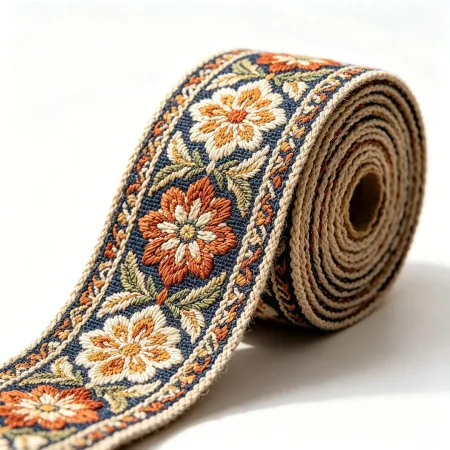
Premium pouches are developed inside the custom spec bag programme, and a finished reference in a structured build is the high-end luggage case range. Where the pouch takes a handle or a zip pull tab made from webbing, the trim comes off the woven jacquard cotton webbing range at 2000N+ break strength, and the testing page lists the abrasion and fastness methods used on trim at this level.
FAQ: Premium Cosmetic Bag Questions
What makes a pouch look expensive?
Three things in order: a clean top edge, hardware with weight, and a lining that sits flat when the pouch is empty. Cloth quality comes fourth, which is why a good pouch in a plain cloth beats a poor one in an expensive one.
Is a heavier pouch always better?
Up to a point, weight in the hardware reads as quality; weight in the cloth reads as bulk. A pouch that is heavy because of a thick slider and a solid pull feels considered. One that is heavy because of padding and a thick lining feels padded.
How can I check a painted edge?
Bend it until it doubles, hold it for a few seconds and release. A well-built edge returns without a white line; a thin coating whitens or crazes at the crease. Also look at the edge thickness: a painted edge that is visibly rounded has had passes, not one.
Does a premium pouch need a woven label?
It needs a label that survives washing and does not curl at the corner. A woven label with a folded edge does both; a printed satin label with a cut edge frays after a few months of handling.
How do I keep a reorder identical?
Keep a signed golden sample with the revision number on it, and write the hardware code, thread shade and cloth lot into the purchase order. Those three lines explain almost every difference between two runs.
A premium cosmetic bag is a set of small decisions made on purpose: an edge that is built rather than painted, hardware specified by code, a lining cut to the same pattern as the shell, and thread dyed to the cloth. Six details, all visible within a minute, none of them expensive on their own. What separates a premium product from a good one is that the sixth detail is still there on the reorder.
Why Xinxiangrui for a Premium Cosmetic Bag
Fifteen years of narrow fabric from one Dongguan address is why a premium cosmetic bag is specified differently here: the trim, the binding and the zip tape are woven and dyed in one plant, so the shade on the pull tab and the shade on the shell come off the same colour standard instead of two suppliers agreeing to disagree. Webbing runs to 2000N+ break strength, jacquard and woven labels come off the same looms, and hardware is assembled in-house against a stated article code. Give us the hardware finish and the lining you want, and the construction follows.