Organic Cotton Skin-Friendly Baby Drool Bibs: The Chain
Organic cotton skin-friendly baby drool bibs are not made of a different fibre. The cotton is the same species, spun on the same machines and woven the same way, and in a blind hand test most people cannot tell the two apart. What is different is a chain of custody that has to hold from a field to a finished bib without a single break, and the product is organic because that chain is intact rather than because the cloth behaves differently.
This guide walks the five links in that chain, explains why the dyehouse is the link that usually breaks, describes what segregated production actually requires inside one plant, sets out the six lines an organic brief should carry, and names the two ways an organic claim collapses after the goods have been made.
Organic Cotton Skin-Friendly Baby Drool Bibs: Five Links
Read the third column as where a programme is usually found to be short, and by whom.
| Link | What it needs | What breaks if it is missing |
|---|---|---|
| The field | A certified farm, non-GMO seed and a recorded conversion period | The whole claim, because everything downstream inherits the field's status |
| Gin and spinner | Certified processing and a lot number that survives the bale | Traceability, which is the only thing an inspector can actually check |
| Weaver | Certification under the same standard, plus separation from conventional yarn | A certified yarn that becomes an uncertified greige roll, which is the quiet failure |
| Dyehouse and finisher | Approved chemistry and its own certificate covering the wet process | The most common break in the chain, and the hardest one to fix after the fact |
| Sewing and packing | A certified unit if the standard covers it, or a clear statement that it does not | A claim that stops short of the finished bib, which is the object being sold |
Four of these five links are usually in place before a buyer asks a single question, because they belong to the yarn supplier's chain rather than to the bib maker's. The fourth is the one that sits inside the factory being evaluated, and it is the one a buyer can actually influence. A greige roll can be perfectly certified and lose that status in a dye bath that also processed conventional cotton that morning.
Segregation happens in a vessel, not in a folder
A certified dyehouse running organic and conventional cotton needs a documented sequence: which lot ran first, what was rinsed between, and how the batch is identified once it leaves the machine. A certificate on the wall does not describe any of that. The document that matters is the batch card, and asking to see one from a previous organic lot tells you more than any brochure, because it shows whether the process is routine or was assembled for the audit.
Three Decisions Organic Cotton Forces Inside One Plant
Whether the lot runs alone
Running an organic lot as the only job in a vessel for a day is the cleanest answer and the least efficient one. Running it at the end of a conventional sequence with a documented wash between is the practical answer and is accepted by most standards if the records hold. The choice is a scheduling decision rather than a textile one, and it should be made by whoever owns the dye line, not by the sales team.
Which chemistry is allowed
An organic standard restricts the dyes and auxiliaries that may be used, which is a different list from the one a general chemical-safety standard applies. A recipe that is perfectly acceptable for a conventional bib can be disallowed for an organic one, and the restriction is on the auxiliary rather than on the colour. This is why an organic programme needs its own recipe rather than a flag on an existing one.
How the finished bib is identified
A bib is a sewn product made from a roll, a binding and a closure, and the organic status has to follow it through cutting and packing. A label on the roll is not enough once the roll becomes forty bibs in a carton. The unit needs an identifier that links it back to the lot, and the packing list needs to carry the same number, or the chain ends at the cutting table.
Six Lines an Organic Bib Brief Should Carry
- The standard and its version — named with a year, since the requirements move and an old certificate proves an old thing.
- Which links are covered — yarn only, or yarn through wet processing, stated plainly.
- The percentage of organic fibre — by weight of the finished bib, not of the face alone.
- The batch record format — how a carton traces back to a bale, in a document you will be shown.
- The label wording — agreed with the certifier before printing, because their approval is the one that counts.
- The dyehouse certificate — a separate document from the spinner's, and the one most often absent.
Line six is worth asking for by name. Buyers routinely receive a yarn certificate and assume it covers the finished product, and a yarn certificate cannot, because it was issued before the cloth was wet. The wet process is where the restricted-chemistry rules bite, and it is therefore where the document is needed. A supplier who can produce both without being chased has run this before.
- Compare organic and conventional side by side — the hand difference is small, and knowing that is useful.
- Read the certificate's scope, not its logo — the scope names the products and the processes.
- Ask for a batch card from a past lot — one page, and it tells you whether the process is routine.
- Check the expiry date — a scan of an expired certificate is the most common document in this trade.
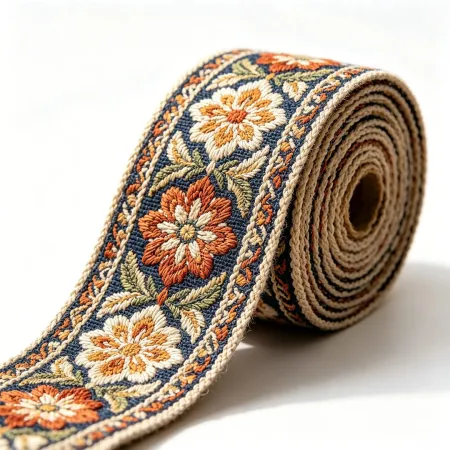
Organic bodies are woven on the cotton webbing range here and finished on the same site as the rest of the baby products line, which means the lot that goes into the dye vessel and the bib that comes out of the sewing room are one record rather than two. Development and documentation run through OEM and ODM development. The 2000N break strength quoted for the narrow webbing range applies to a 20-25 mm strap tab; an organic bib is judged on its chain, and the figure does not transfer.
Two Ways an Organic Claim Collapses
The certificate stops at the yarn
This is the normal state of the market and the normal cause of a failed audit. A brand holds a spinner's certificate, prints an organic claim, and cannot show that the wet processing met the same standard. The correction is not a new supplier; it is a second certificate from the dyehouse, and the time to obtain it is during development, when the lot can still be routed deliberately.
The blend is organic on paper only
A bib with an organic face and a conventional back, a conventional binding and a synthetic closure is not an organic bib, and the percentage that can be claimed may be well under what the marketing implies. The arithmetic is simple and it should be done before the artwork: weigh each component, multiply by its organic content, and divide by the total. A number derived that way survives any question.
FAQ: Organic Cotton Skin-Friendly Baby Drool Bibs
Is organic cotton softer?
Not reliably. The difference is in the farming and the chain of custody. Any softness difference comes from the yarn and the finish, which can be the same for both.
Why does the dyehouse need its own certificate?
Because the restricted chemistry rules apply to the wet process. A yarn certificate was issued before dyeing and cannot vouch for what happened afterwards.
Can organic and conventional run on the same machine?
Yes, with a documented sequence and a wash between lots. What is not acceptable is running them together or losing the batch identity afterwards.
What percentage can a bib claim?
By weight of the whole product. A cotton face with a synthetic back and closure usually lands well below the figure the face alone would suggest.
How long does certification take?
It follows an audit of the site rather than of the order, so the question is whether the dyehouse is already certified. If it is, the paper trail is administrative.
Organic cotton skin-friendly baby drool bibs are a chain rather than a fibre, and the chain has one link inside the factory that makes them: the wet process. Get the dyehouse certificate, keep the batch identity through cutting, and the claim on the label will be one that holds when it is examined.
Why Xinxiangrui for Organic Bibs
The link that usually breaks is the wet process, and it happens in the same building as the loom: organic cotton skin-friendly baby drool bibs are woven and dyed on one site, so the batch card follows a lot from bale to carton, so the yarn certificate and the dyehouse certificate refer to the same record. Send the standard you must meet and we will tell you which links are already documented.