Polyester Cosmetic Bag: Colour, Climate and Cloth Weight
A polyester cosmetic bag is chosen for two reasons that have nothing to do with how it feels: it holds colour, and it resists water without a coating that cracks. Those two advantages are also where the failures live. Polyester is dyed with disperse dyes that migrate, it shrinks differently along warp and weft, and a bright shade printed on the surface can look correct on the day it ships and different after a season in a window. The cloth is cheap; getting the colour to behave is the work.
This guide covers the four figures that actually describe the cloth, the three colour failures that appear after delivery rather than before, and the five lines that make a polyester specification mean something across a multi-market shipment.
Four Figures Behind a Polyester Cosmetic Bag
A quotation usually names one thing, polyester, and leaves out the three that decide behaviour. The four below are what a mill measures and what a buyer should ask for, in the order that matters.
- Filament denier and fabric weight — 210D at 110 g/m² is a lining; 600D at 220 g/m² is an outer. Denier alone is not enough, because the same yarn woven at a different sett changes weight, tear strength and hand.
- Weave: plain, ripstop or twill — a plain weave is the default, ripstop adds a grid of heavier yarn that stops a tear from running, and a twill gives a softer drape and a duller surface. The grid in a ripstop is visible at a metre and it is either a design feature or an objection.
- Dye class and colour reference — disperse dye for polyester, matched to a Pantone reference and a fastness grade. A shade specified only as a name is a shade the mill will interpret.
- Finish: water repellent, anti-static or neither — a durable water repellent can be fluorocarbon-based or fluorine-free, and the two carry different regulatory exposure in different markets. Anti-static finish matters on a pouch that will hold synthetic brushes.
The table puts typical values against what each one changes in the finished pouch.
| Figure | Typical range | What it changes |
|---|---|---|
| Denier | 210D to 600D for a pouch | Body, opacity and how the pouch folds |
| Fabric weight | 110–240 g/m² | Tear strength, carton weight and hand |
| Colour fastness to light | Grade 4 minimum for a bright shade | Whether a display pouch keeps its shade |
| Shrinkage | Separate warp and weft figures | Finished size after a wash or a steam press |
| Recycled content | Post-consumer PET, declared by percentage | Which documentation chain applies |
Three Colour Failures That Appear After Delivery
All three of the following look correct in an inspection room and wrong six weeks later, which is the worst possible timing for a buyer.
A bright shade fades in a window, not in a warehouse
Disperse dyes on polyester are more light-stable than most, but a saturated turquoise, a fluoro pink or a bright orange is a different case because those shades are built from combinations rather than from a single dye. Under daylight behind glass the components fade at different rates, so the shade does not simply lighten; it shifts, usually towards a duller blue or a warmer pink. This is why a colour fastness to light figure belongs in the specification for any pouch that will sit on a shelf or a windowsill, and why a grade of four is a floor rather than a target for those shades.
Disperse dye migrates onto the light lining
A dark polyester outer against a white lining is the most common colour combination in this product category and the one most likely to show dye transfer, because disperse dye can sublime from the outer cloth and re-deposit on a lighter surface in contact with it. The conditions are heat, moisture and pressure, which describes a pouch in a warm car or a shipment in a container. The countermeasures are a dye-fixing finish, a barrier layer between outer and lining, or a lining in a mid-tone rather than white. Ask which of the three is used before approving a dark outer with a pale lining.
The pouches shrink differently in length and width
Polyester shrinks along both axes, and the warp figure is usually lower than the weft. A pattern cut without accounting for that produces a pouch that is a few millimetres narrower after a steam press, which is enough to change how a zip sits and enough to fail an incoming measurement. Request shrinkage separately for warp and weft, pre-shrink the cloth before cutting, or cut oversize against the measured figure. A single combined shrinkage number hides exactly the difference that matters on a rectangular pouch.
Put the pouch behind glass for a fortnight
A light fastness test on a card is not the same as a product in a shop window, because the card does not have a lining to transfer onto and does not fold the way a pouch folds. Tape one sample to a south-facing window for two weeks, then compare it against a sample kept in a drawer. The difference tells you more about the shade than any single grade, and it costs one pouch and fourteen days.
Five Lines for a Polyester Specification
A pouch that ships to three continents is judged by three sets of rules, so the specification has to carry the figures rather than a colour name and a promise.
- Denier, weight and weave together — 600D at 220 g/m² in a plain weave is a material; 600D is a yarn that could become three fabrics.
- Colour reference plus fastness grades — a Pantone reference for the target, and separate grades for light, wash and rub, because a shade that passes rub can still fail light.
- Shrinkage by direction — warp and weft as two figures, measured after the finishing route the bulk will actually receive rather than a lab route.
- Finish chemistry, not just the finish — a water repellent named by type, since a fluorine-free finish is the safer claim in markets that have restricted the alternative.
- Recycled content and its documentation — the percentage, the source of the feedstock and which certificate chain applies, because a recycled claim without a transaction certificate is a claim without a trail.
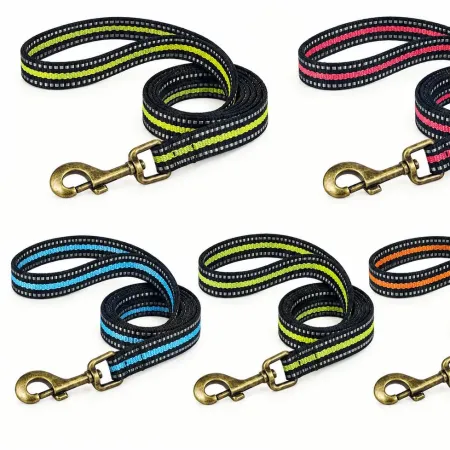
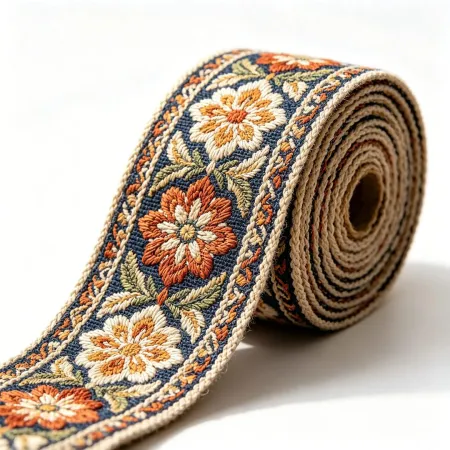
Polyester pouches are built inside the custom spec bag programme, and a finished reference in a similar construction is the lightweight reusable tote with pockets. Where the pouch takes a handle or a binding, the trim comes off the polyester webbing line woven to 2000N+ break strength, and the testing page lists the light, wash and rub fastness methods applied to dyed cloth and trim.
FAQ: Polyester Cosmetic Bag Questions
Is polyester better than nylon for a pouch?
For colour retention and cost, usually yes. For abrasion and softness at the same weight, nylon wins. A pouch that travels hard is often nylon outside and polyester lining, which is a common and sensible combination.
Why does a dark pouch stain a white lining?
Disperse dye can migrate from the outer cloth and re-deposit on a lighter surface in contact with it, especially under heat and pressure. A dye-fixing finish, a barrier layer, or a mid-tone lining all reduce it.
Can a polyester pouch be printed?
Yes, by sublimation, screen print or digital transfer. Sublimation dyes the fibre rather than coating it, so it wears best, but it only works on a light base. Dark cloth needs a transfer or a screen print with a binder.
What is RPET in a pouch?
Polyester spun from post-consumer PET, usually bottles. It behaves close to virgin polyester and its value is in the documentation rather than the hand, so the percentage and the certificate chain are what to check.
Does a polyester pouch need a coating?
Not for a light spill, since the fibre absorbs very little. It needs one for a pouch that holds liquids, because a woven cloth is a grid of gaps and water passes through the spaces rather than the fibre.
A polyester cosmetic bag is a colour problem disguised as a cloth problem. Name the denier with the weight and the weave, hold a light fastness grade for the shade rather than the category, protect a pale lining from a dark outer, and ask for shrinkage as two figures instead of one. Four lines, and a pouch that arrives the same shade in three markets instead of three shades in one shipment.
Why Xinxiangrui for a Polyester Cosmetic Bag
A polyester cosmetic bag leaves this plant for 50+ markets, and the shipment paperwork is raised in-house rather than handed to a forwarder to improvise: commercial invoice, packing list, certificate of origin and the test reports that match the lot on the carton. That matters when the same pouch sells into three regions with three sets of colour and labelling expectations. Woven trim is produced to 2000N+ break strength and dyed on a continuous high-temperature line, and 200+ active partners keep the export route exercised. Send us the cloth weight, the print route and the market it sells into — we reply with a construction.