High-End Luggage Case Factory: What to Walk and What to Ask
A high-end luggage case factory is easier to judge by walking it than by reading a machine list. Five stations decide the product: shell forming, hardware fitting, cutting and sewing of the trim, final assembly, and packing. A factory that owns all five can answer a question about a wheel clearance in an afternoon; one that owns two of them has to ask somebody else, and what comes back is an opinion rather than an answer.
This guide sets out what each station reveals, the three areas where a visit actually changes a buying decision, the questions worth asking before a sample is built, and how to tell an office with a website from a plant with a floor.
High-End Luggage Case Factory: Five Stations
Each station below answers a different question, and a plant that is strong at one and thin at another will produce a product with a matching weakness.
- Shell forming — where the shape of the product is fixed, and the only station where a mistake cannot be corrected later without a new tool.
- Hardware fitting — wheels, trolley, locks and latches, where the product's daily behaviour is decided and where most complaints originate.
- Cutting and sewing — lining, pockets and every strap, which is a different craft from forming and is often the bottleneck nobody inspects.
- Assembly — where the halves, the fittings and the interior meet, and the point at which a tolerance that was fine on paper becomes a gap.
- Packing — cartons, marking and protection, which shows what the plant has actually shipped rather than what it can describe.
| Station | What to look at | What it tells you |
|---|---|---|
| Forming | Tools in use, and their condition | Whether the shell is theirs or bought in |
| Hardware | Jigs, torque control, reject bin | Whether fittings are placed or guessed |
| Sewing | Cut table, templates, strap jigs | Whether trim is made or bought |
| Assembly | Checking stations and gauges | Where a tolerance is enforced |
| Packing | Carton stock, protection, marking | What their real shipments look like |
Ask to see the reject bin
Every plant has one, and what is in it describes the product better than any presentation. A bin full of shells rejected for a cosmetic mark means the finish standard is being enforced; a bin with nothing in it means either a perfect process or no inspection, and the difference is visible in whether anybody can tell you why a part was rejected. Ask the question and watch whether the answer is a reason or a shrug.
Three Areas That Change a Decision
Shell forming tells you the tooling
If the plant forms its own shells, you will see the tools, the sheet stock and the trimmed offcuts. If it does not, you will see racks of finished shells with no story about where they came from, and the sizes available will be the sizes somebody else already makes. That is not a defect in the supplier; it is a limit on what can be developed, and it is better known before a drawing is made than after.
The trim area is where the product is really made
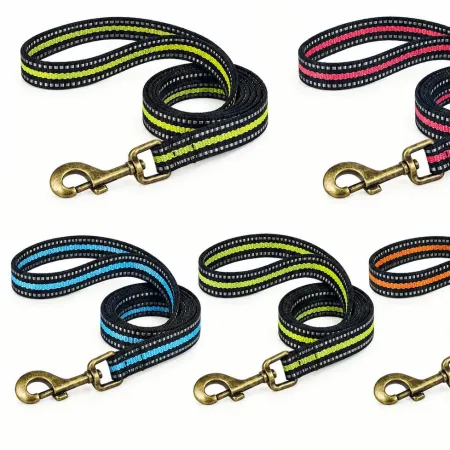
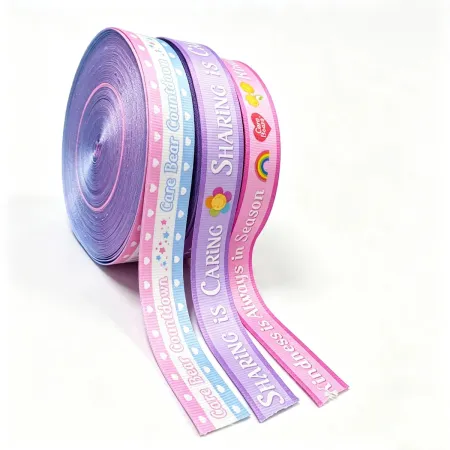
Lining, pockets, zip tape, compression straps and handle wraps are cut and sewn at a table, and that table is where a case becomes comfortable or fiddly. Look for templates for every strap length and a jig that sets the anchor position, because those two items are the difference between a run that repeats and a run that drifts. A plant that cuts webbing by measuring against the last piece will produce a set of cases whose straps differ by centimetres.
Packing tells you what they have shipped
A warehouse with cartons in several sizes, printed marking and corner protection in stock is a warehouse that ships regularly to buyers with requirements. A warehouse with one carton size and a marker pen is one that has shipped to a trading company. Neither is dishonourable, but only one of them can put a retail-ready case on a shelf without extra work at the destination.
Questions Worth Asking Before a Sample
- Which stations are on this site — and which are not, because the second half of that answer is the useful part.
- Who owns the mould — the plant, the buyer, or a third party, since this decides what happens to the product if the relationship ends.
- Where the trim comes from — woven in-house, bought from a mill, or bought as finished straps, which changes how fast a width or shade can be changed.
- How a dimension is checked — the gauge, the frequency and who signs it, rather than a statement that dimensions are controlled.
- What the last three shipments were — carton size, marking and destination, which is a question about routine rather than about capability.
- Which figures are tested in-house — and which are quoted from a material supplier, because the two carry different weight.
The sixth question usually separates a plant from a trader in one sentence. A webbing figure is the clearest example: narrow fabric that clears 2000N across the width is a claim that only means something if the plant wove it and can pull a sample from the lot. Where the strap is bought in, the figure belongs to somebody else's certificate, and the answer to a failure becomes a conversation between three companies.
Cases and their trims sit alongside the custom specification bag range, the straps inside them come off the polyester webbing and nylon webbing lines, and the figures a buyer is shown are produced in the in-house laboratory.
The Office That Calls Itself a Factory
Three signs, none of them fatal on its own
A supplier who cannot say which machine made a sample, who quotes the same shell in four different sizes with no tooling discussion, and who answers a question about a fitting by forwarding an email are all describing a trading operation rather than a plant. That can be a perfectly good way to buy a standard product. It becomes a problem when the brief is a development, because a trader cannot change a mould and cannot answer why a dimension moved.
The practical test is a small one: ask for a single change to an existing sample, such as a different strap width or an anchor moved by a centimetre, and ask when it can be shown. A plant answers with a date; a trader answers with a question about quantity. Both are honest, and only one of them is a factory.
FAQ: High-End Luggage Case Factory
What should I look for on a factory visit?
The five stations, the reject bin, the templates at the cutting table and the cartons in the warehouse. Those four observations answer more than a presentation, and each one can be checked in a few minutes.
Does a factory need to form its own shells?
Only if the project needs a new shape. For a variation on an existing shell, forming elsewhere is normal and often sensible. What matters is knowing which case applies before the brief is written.
Why does the trim area matter so much?
Because most of what a buyer touches is trim: the strap, the lining, the pocket, the handle wrap. Shells are bought by the thousand from the same few tools; the trim is where one product differs from another, and where a centimetre of drift shows.
How can I tell a factory from a trading company?
Ask for one small change to a sample and a date for seeing it. A plant can schedule that; a trader has to ask somebody else. Neither answer is dishonest, but only one of them means the plant can develop a product.
Should the factory be audited before the first order?
A visit is more useful than a checklist for a first order, because the questions that matter are about how a decision gets made rather than about whether a document exists. A third-party audit earns its place once the relationship is a programme rather than a trial.
A high-end luggage case factory is five stations and a set of habits. Walk the floor, look in the bin, read the cartons and ask who owns the mould. Whatever the answers, they will tell you what kind of product you can develop together, which is more than any capability list can.
Why Xinxiangrui for High-End Luggage Case Factory
Established in Dongguan in 2011, this plant has spent fifteen years on narrow fabric and nothing else, which is why a high-end luggage case factory conversation here starts with looms, a dye line and a laboratory rather than with a catalogue. The trim inside a case is the part made on this site, and it is the part that can be changed on a work order. Tell us what the case has to hold and which parts are yours, and the answer will be specific.