Scratch Resistant High-End Luggage Case: Three Failures, One Word
A scratch resistant high-end luggage case is usually described with a phrase that hides three different problems. A scratch is a line cut into the surface; a scuff is material transferred onto it; abrasion is a slow removal of the surface itself. They come from different places, they are tested differently, and a treatment that solves one can make another worse.
This guide separates the three, explains why a gloss surface and a textured one fail in opposite ways, sets out the three routes to a harder surface, and covers the question buyers ask too late: whether a marked case can be brought back.
Scratch Resistant High-End Luggage Case: The Three Failures
The word covers a family of damage that appears at different scales and in different situations, and a specification that does not name which one is being defended against cannot be tested.
- Scratch — a narrow cut from a sharp edge, such as a carousel rail or a zip pull, which removes material along a line.
- Scuff — a transfer, where the other object leaves part of itself behind, and the mark sits on top rather than in the material.
- Abrasion — a broad, slow wear from repeated rubbing, which dulls a gloss or polishes a texture without any single visible event.
- Stress whitening — the pale mark where the material itself has yielded, which is not surface damage at all and cannot be polished out.
| Failure | Where it comes from | What hides it |
|---|---|---|
| Scratch | Metal rails, zips, trolley frames | Texture that breaks the line |
| Scuff | Rubber, painted metal, leather trim | A cleanable, sealed surface |
| Abrasion | Belts, boot liners, stair edges | A darker shade, a matte finish |
| Stress whitening | Impact and bending at a thin wall | Only a different material or gauge |
Texture hides, gloss tells
A gloss surface reflects a whole room, so a two-millimetre line interrupts the reflection and reads as damage from across a shop floor. A textured surface scatters light, so the same line disappears into the pattern. This is why two cases made from identical sheet are described differently after one flight, and why a matte finish is often the cheapest form of scratch resistance available.
Three Routes to a Harder Surface
In-mould texture
The pattern comes from the mould, so the finish is part of the material and cannot peel, flake or delaminate. A fine texture reduces visible scratching and also reduces the friction that produces scuffs, because less surface area touches the other object. Its limit is that the texture itself wears smooth over years in the places a hand or a belt contacts, which shows as a polished patch rather than a scratch.
A laminated film
A film carries the colour and can carry a hard coat, which gives a deeper gloss than a texture and a surface that resists fine scratches well. The risk moves to the edge: a film is only as good as its bond, and a sheet cut short leaves a line where lifting begins. Films also behave differently from the sheet underneath when a case is formed, so the draw depth has to be inside what the film can take.
A sprayed coating
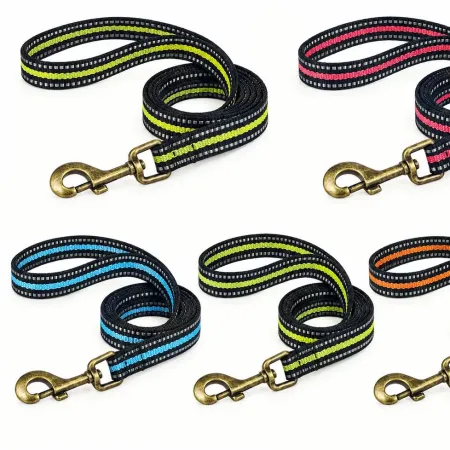
A coating gives the widest choice of colour and sheen, and it can be repaired locally, which no other route allows. It is also the thinnest and the most dependent on preparation, since a coating that does not key to the sheet will chip at the first knock. The trim inside a coated case is unaffected by the choice, and a webbing strap that clears 2000N behaves the same whether the shell beside it is textured, filmed or sprayed.
Six Lines for a Surface Specification
- Which failure is being defended — scratch, scuff, abrasion or whitening, named rather than implied.
- The sheen level — gloss, satin or matte, because sheen decides how visible any mark will be.
- The surface route — texture, film or coating, with the draw depth that route can survive.
- A test and a threshold — a pencil hardness, a crocking cycle count or a coin scratch, with the pass level stated.
- Colour and its repair path — whether a touch-up is possible and with what, which matters for a rental or a corporate fleet.
- Adhesion requirement — for a film or a coating, a stated bond test, because delamination is not covered by any scratch claim.
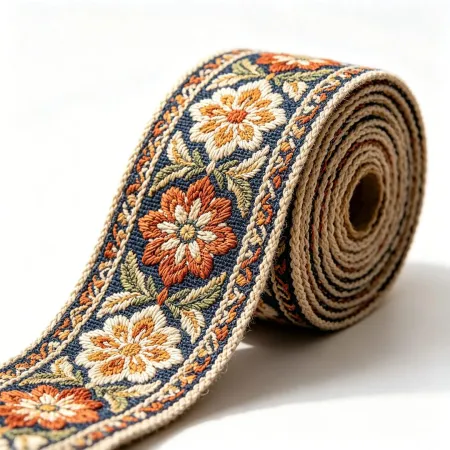
The fourth line is the one that turns a phrase into a specification. A pencil hardness test costs a pencil set and an afternoon; a crocking test needs a machine but is routine at any mill. Both produce a number a buyer can compare across suppliers, which is more than a claim of resistance can do. The in-house laboratory runs the same logic on the trim: polyester webbing and nylon webbing are compared on abrasion cycles rather than on adjectives, and the OEM programme applies the same thresholds to a customer's own trim.
A surface claim also has to survive the way a case is actually used. A case carried by a handle is scuffed at the ends; one checked into a hold is abraded along the base and the spine; one that lives in a car boot meets the same edge every week. Naming the contact point is more useful than naming the finish, because it decides which of the three failures the specification needs to address.
Why a Mark Matters Commercially
The resale moment
A case is often judged for a second time when it is sold on, and the buyer at that point is looking at the surface rather than at the wheels. A textured matte shell with a decade of small marks looks used; a gloss shell with the same history looks damaged. That difference is not durability, it is legibility, and it decides what the product is worth at the end of its first life.
The repair question
Coated shells can be touched up; textured and filmed ones generally cannot, because a local repair breaks the pattern or the sheen. For a corporate fleet, a rental pool or an airline programme, that single difference is worth more than a marginal gain in hardness, because a repairable case stays in service and an unrepairable one becomes stock. Buyers in those segments ask about repair before they ask about scratch resistance, and they are right to.
One more habit decides how a surface is judged, and it belongs to the owner rather than the maker. A case wiped with a dry cloth drags grit across the shell, while one rinsed and wiped with a damp cloth lifts it away. Over a few years that difference shows plainly, and it is worth putting on a care card, because it costs nothing and it protects a finish that took a full specification to specify.
FAQ: Scratch Resistant High-End Luggage Case
Is a textured shell really more scratch resistant?
It is more scratch tolerant. The material is not harder, but the pattern breaks up the reflection that makes a line visible, so the same damage reads as part of the surface. That is a different claim from hardness, and it is the one that matters in use.
Can scratches be polished out?
On a gloss coated surface, sometimes, with a fine compound, though the repaired area usually shows under raking light. On a texture or a film, no, because polishing removes the pattern or the film itself.
What is the white mark that will not clean off?
Stress whitening, where the material has yielded under an impact or a bend. It is inside the sheet rather than on it, so no cleaner reaches it, and the only prevention is more gauge or a tougher blend at that point.
Which colour hides wear best?
Mid and dark tones with a matte finish, because the contrast between a mark and its surroundings is low. White and pale gloss are the least forgiving, since a scuff shows as a dark line and a scratch as a bright one.
Does the trim scratch too?
Webbing abrades rather than scratches, and it shows as fuzzing at a cut end or a polished patch where a buckle rubs. A denser weave and a sealed edge are the answer, and both are decided at the loom rather than at the case.
A scratch resistant high-end luggage case deserves a specification that names which failure it is defending against, at what sheen, tested to what threshold, and whether a mark can be repaired. Those four answers separate a genuinely durable surface from a claim on a hangtag, and they cost an afternoon of testing rather than a new programme.
Why Xinxiangrui for Scratch Resistant High-End Luggage Case
Fifteen years on one category teaches a lesson that carries straight over to a scratch resistant high-end luggage case: a surface is judged by how it ages, not by how it arrives. Narrow fabric has been the only product made on this Dongguan site since 2011, so the abrasion and crocking readings behind the trim come from a bench that has run the same tests for a decade. The webbing inside clears 2000N and the numbers are on file. Tell us how the case will be handled, and the finish is chosen from readings rather than from habit.